I hope everyone reading this has been doing well!
I’m still working and still doing things in Washington, so here’s the latest update!
Work
I’ve been all over the place these last few weeks – ranging from as far south as Mt. Rainier all the way up to Verlot. I’ll do my best to summarize what I’ve been up to!
Carbon River Stand Exams
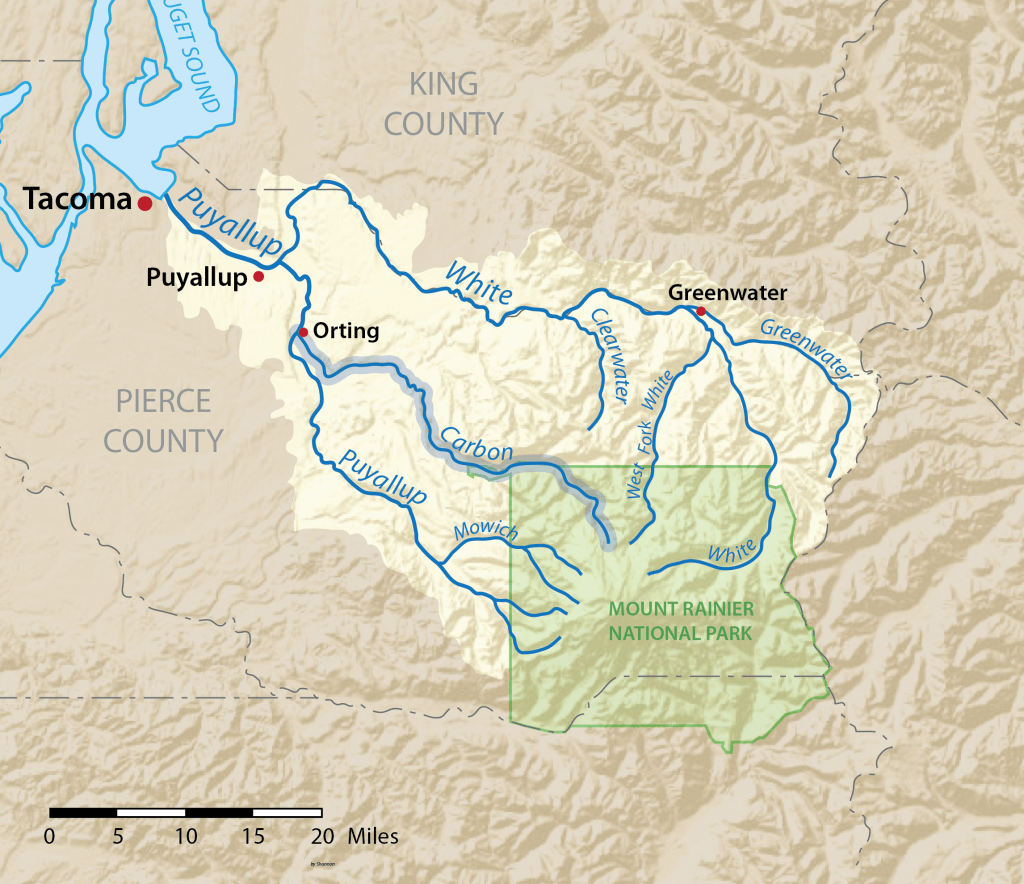
My main project this summer will be inspecting contract work being done around the Carbon River, which is northwest of Mt Rainier. The Forest Service has a little bit of land near Evans Creek, which flows into the river.
This project is being funded by a grant that was awarded last year and we are in the very early reconnaissance stage of seeing what’s out there before we even begin to think about putting timber sales in that area.
There is a lot of data to gather, and as a result, contractors have been hired to measure the stands for species, density, growth, regeneration, and more. This is so the people in forest management making the decisions about what can be done here can have the most accurate information as possible.
Stand exams are one tool we have as foresters to do that. If you have literally nothing else to do and want to read, in detail, about what stand exams are and how to do them you can read the field guide for this area here.
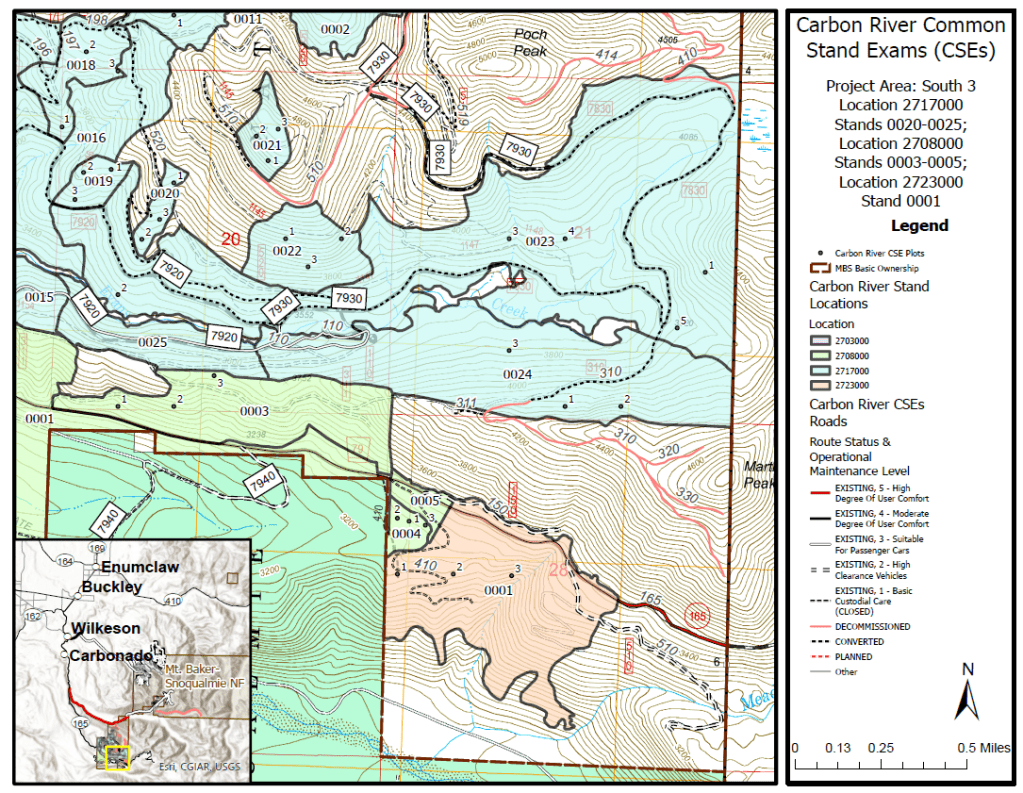
Take a look at the map above
Before going to the field, a forester starts in the office by using remote sensing tools like LiDAR to detect changes in forest canopy composition and density. From there you can that use that information to make inferences of where stand boundaries are in a given area. Forest communities, just like communities of people, have regions where different groups have influence over an area. These are usually tied to the physical attributes of an area like slope position (bottomland, ridgetop, midslope), slope aspect (southern slopes have less moisture than northern slopes), soil type, soil moisture, species present, and more. Most of these attributes tie back to moisture and sunlight levels in one way or another.
Once all of that is figured out, the stand boundaries are delineated using mapping software and random points are put into those stand boundaries for foresters to visit to get an unbiased sample of the population of trees in the forest. On the map above, stands are marked by solid lines and are labeled 00XX or 000X. They’re part of larger location groups which are mostly for clerical and organizational purposes.
It’s at this point that precise data about the area can actually start getting collected, which a contractor crew is doing right now.
It’s my job to verify that the plots they’re taking are accurate, which I do by checking 10% of their plots.
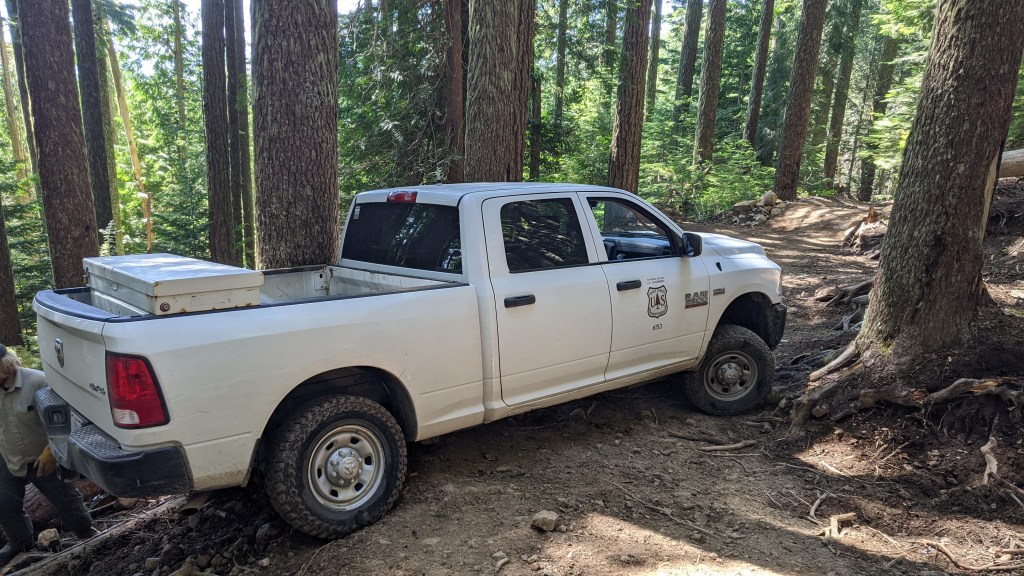
I don’t have any photos of me doing that yet because when I went this week to check the plots I got my truck stuck on an OHV (off highway vehicle) trail and spent the whole day trying to get it unstuck. This area is served by a network of OHV trails and the contractors said they were able to get their truck, which was similarly sized, up the trails. But I slipped on a log and got pinned on a tree, and that cost me the whole day.
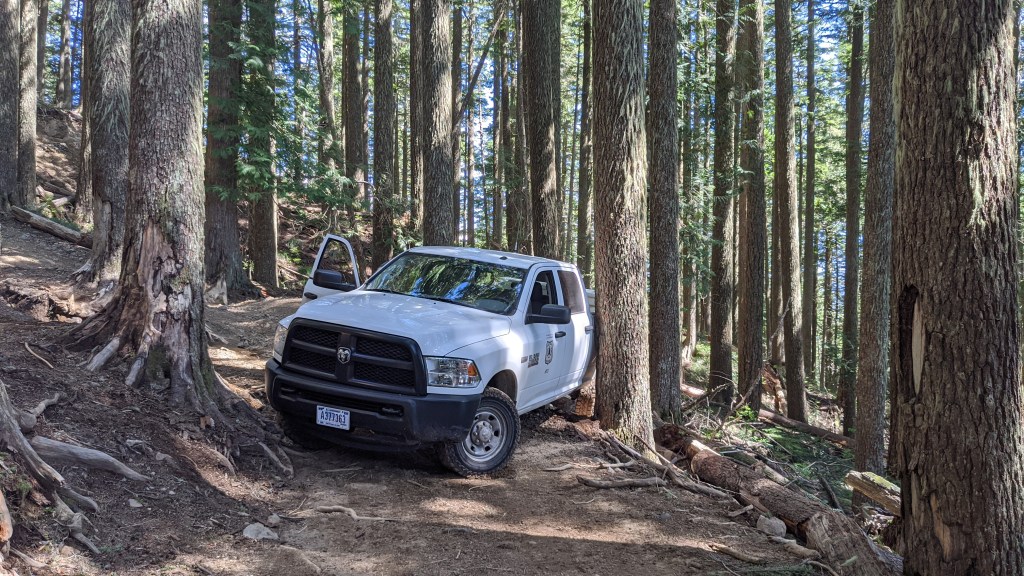
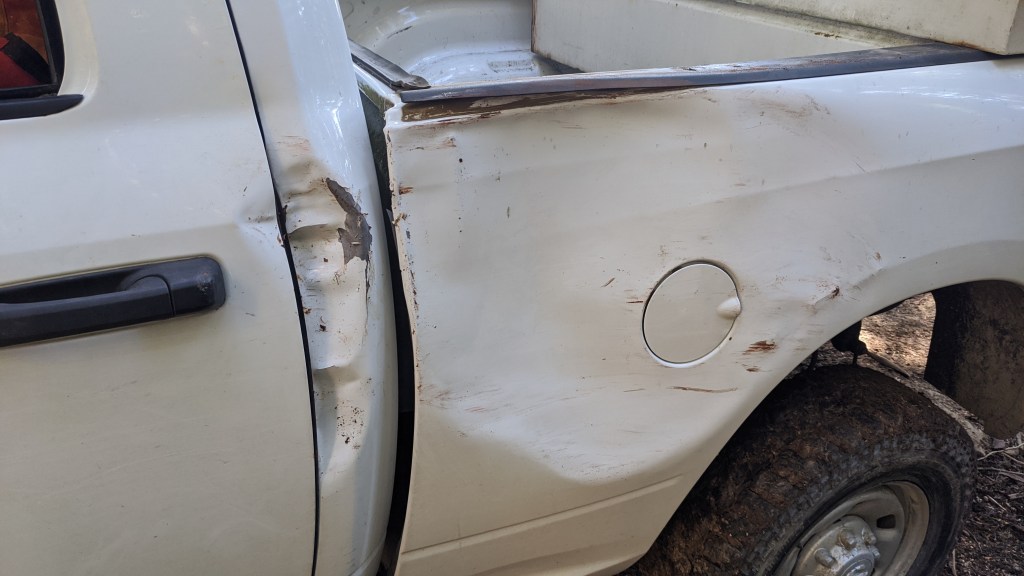

I will be back out next week though! And I plan to document the process for you all to read about.
Cruising
I helped a bit with cruising in Verlot last week, which I have talked about in previous blog posts. The basic crash course is that we’re measuring diameter at 4.5′ off the ground of every tree that’s considered to be in our plot, height, and taking note of species and any defects we see (like rotting at the stump, etc.).
We were doing a pre-cruise, which helps inform us about how many plots we needed to have to be able to sample a certain percentage of the timber in this sale without needing to visit every single tree.
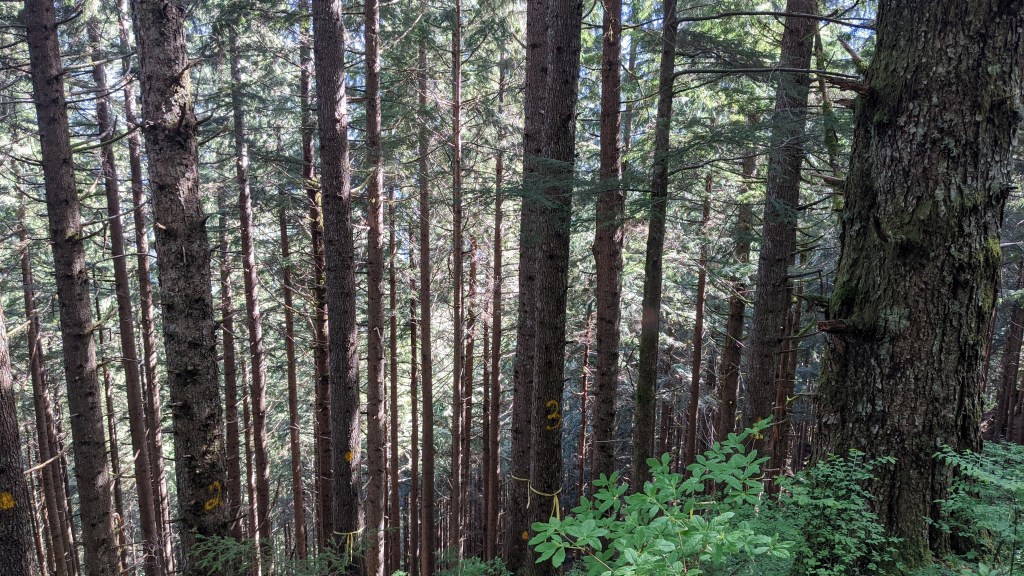
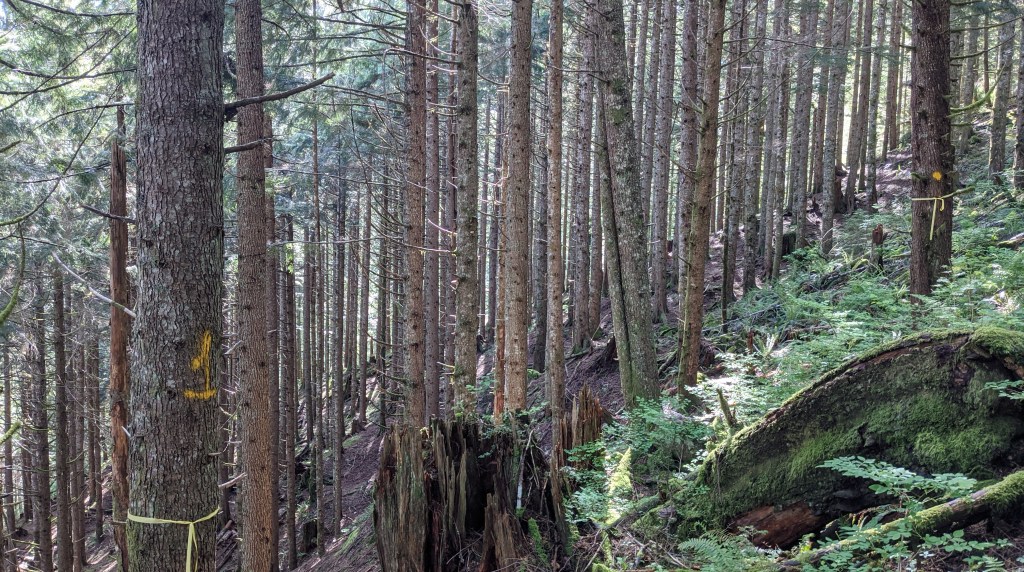
It was very fun to do, and I hope I can do more cruising this summer!
Educating the Youth
Earlier this week I helped with an environmental education event for 4th graders we were having, which was part of the government’s Every Kid Outdoors program.
I was at the “Big Tree Station”, which featured a very large tree. It was a 9-foot wide douglas-fir that was probably around 900 years old when it got cut
I did an activity from Project Learning Tree, which is an environmental education curriculum, called Tree Factory. It’s a very fun activity where the students get to “build” a tree by organizing themselves into some of the structures of the tree (bark, cambium, roots, etc.)
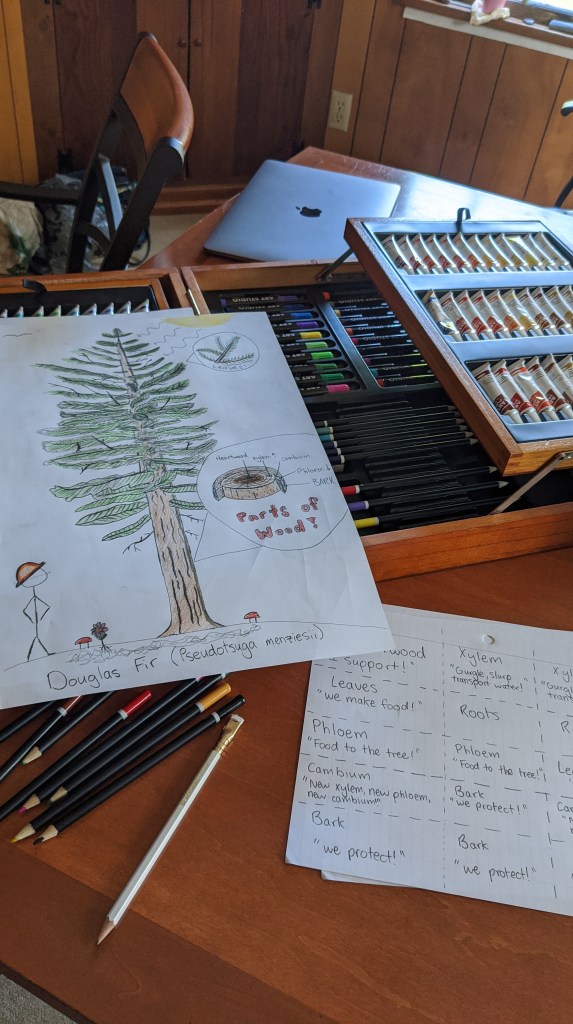

I don’t have any photos of the kids, but I made a diagram of a douglas-fir and labeled the different parts of the wood. Then we all got to get in a circle and pretend to be those parts!
Flagging
Finally, I got to help do some layout with the Washington Department of Natural Resources. They are currently doing layout for a sale on Mt Pilchuck, which is in Verlot across the street from where I stay when I go up there! It’s technically on Forest Service land, but we are letting them do a sale there because of the Forest Service’s Good Neighbor Authority, which was expanded in the 2018 Farm Bill to a wider scope.
The way that DNR does layout is a bit different than the Forest Service, but the principles are still the same, and they don’t use paint which I really like!
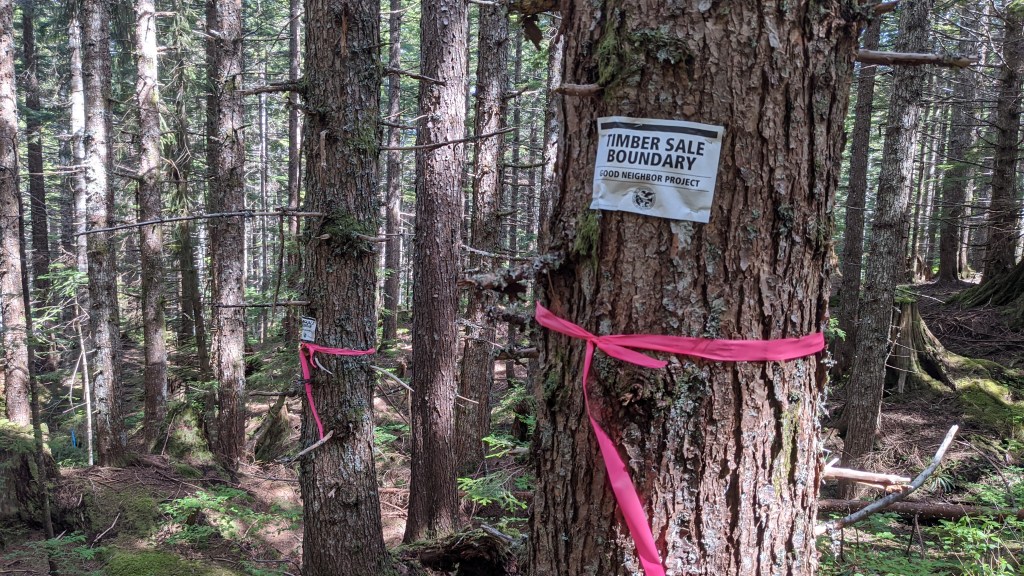
We were setting the boundary of this particular unit to be 30 feet away from an intermittent stream. In doing so, we are protecting the stream from temperature changes as a result of logging, and helping to buffer some of the effects of erosion as loggers go through the area. We did this by using our laser rangefinders (see below) to shoot lasers at the stream and measure the distances from trees we were standing at to the center of the stream.
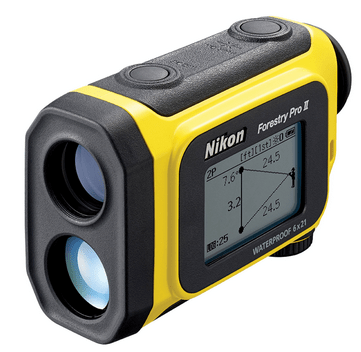
I thought it was very enlightening and it’s work that a pre-sale forester needs to be able to do on their own most of the time. Now some of what I was doing earlier in the year makes a lot more sense!
Not work
PSMS Field Trip
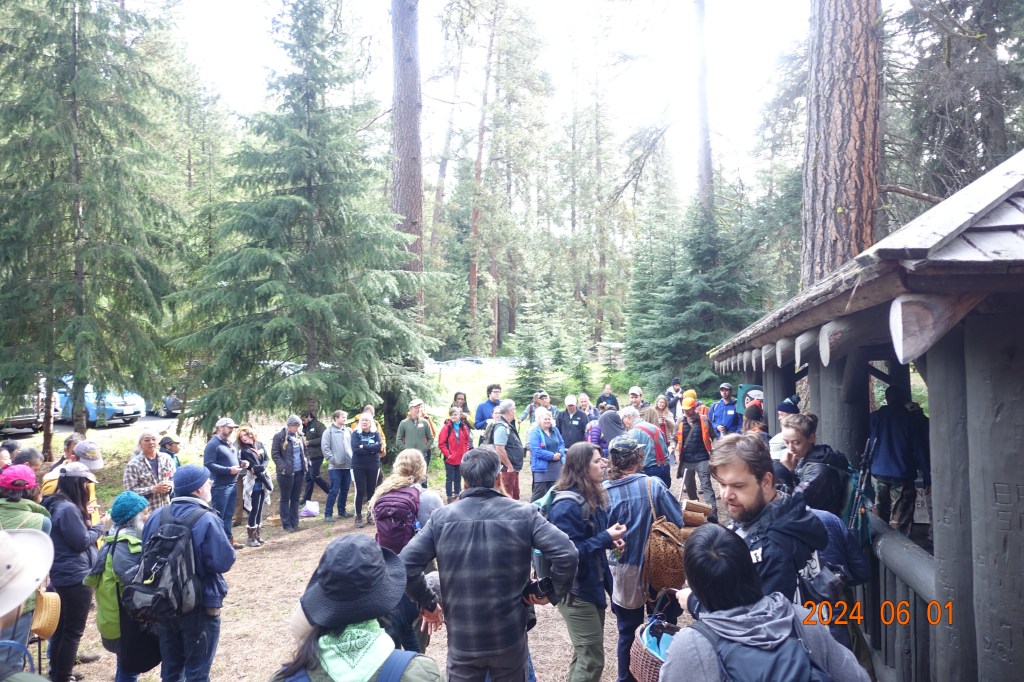
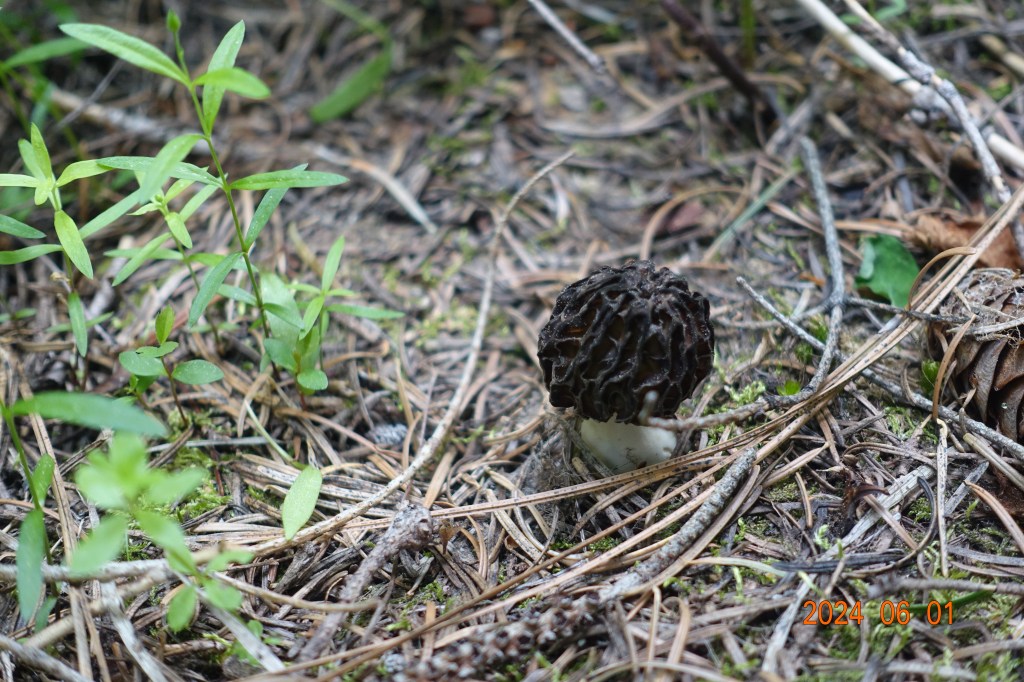
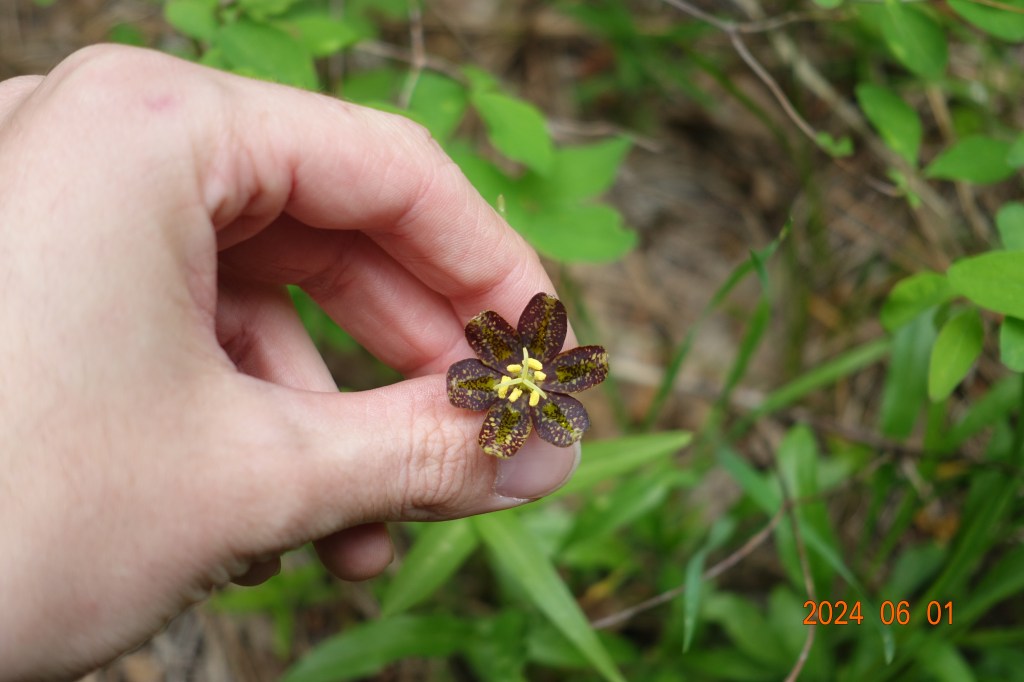
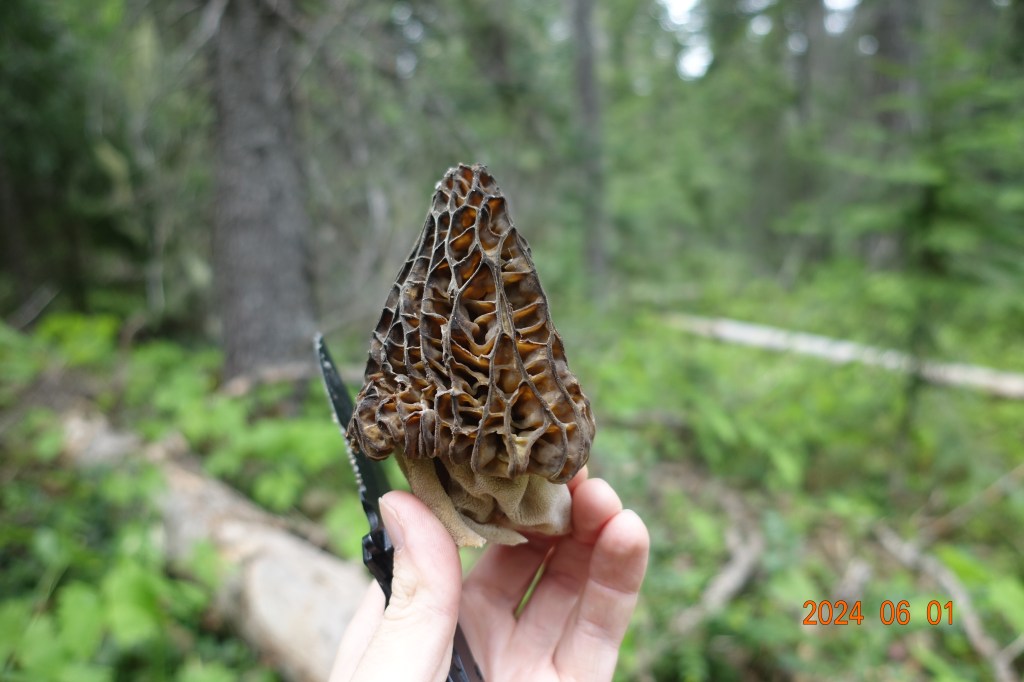
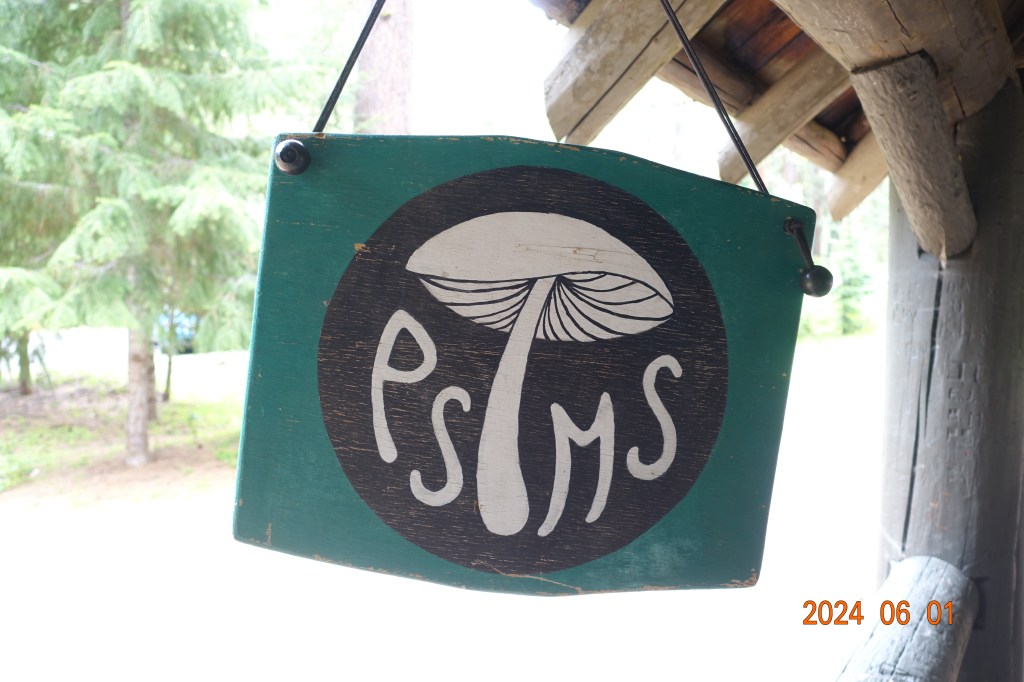
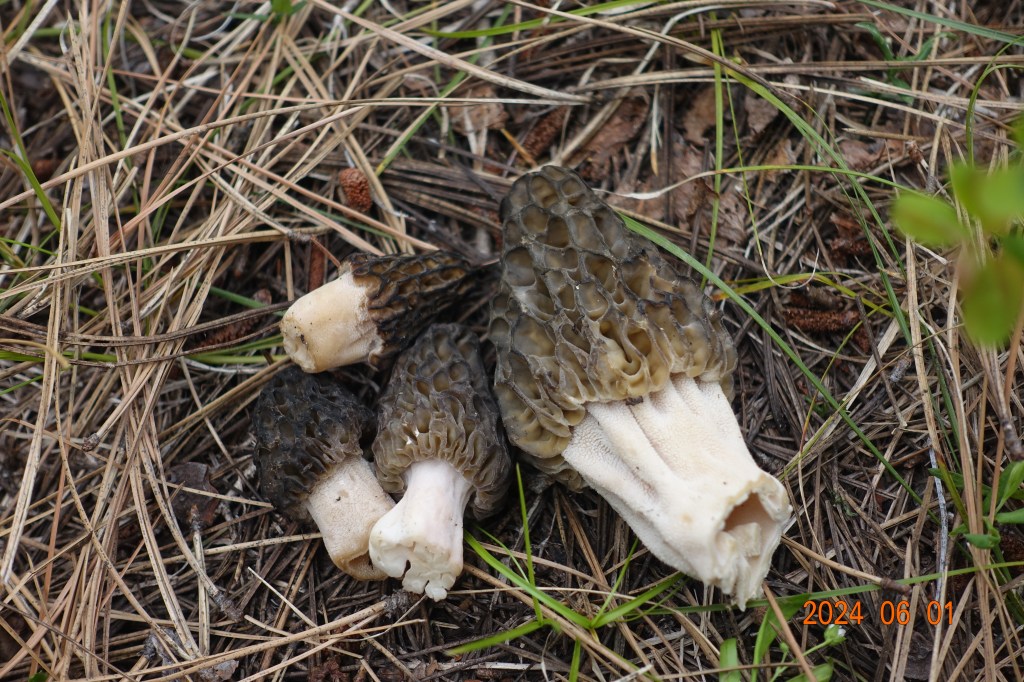
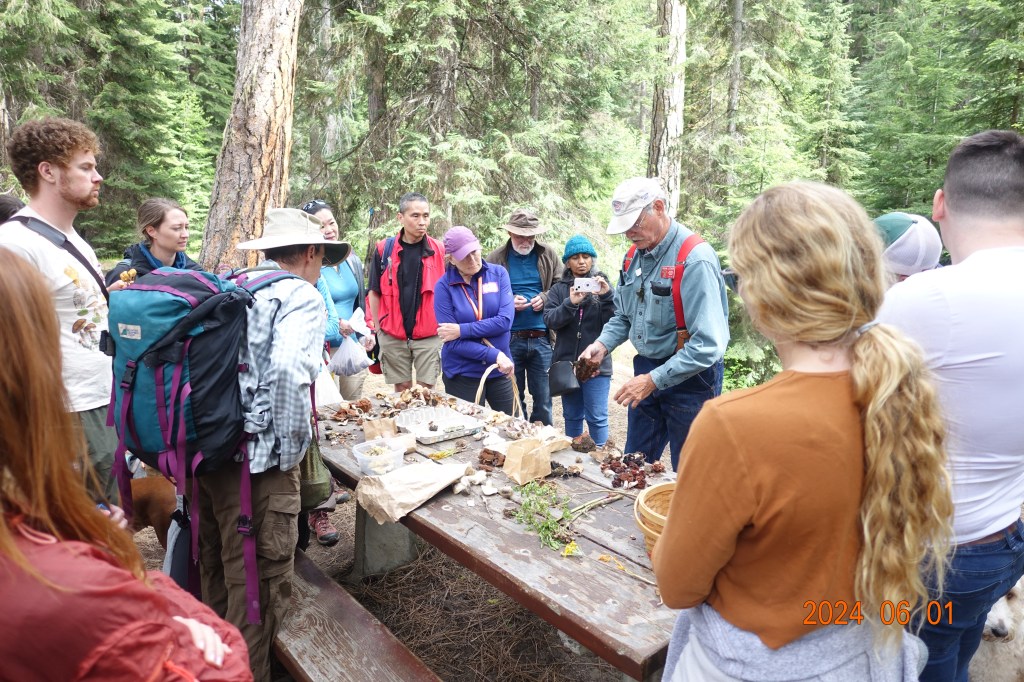
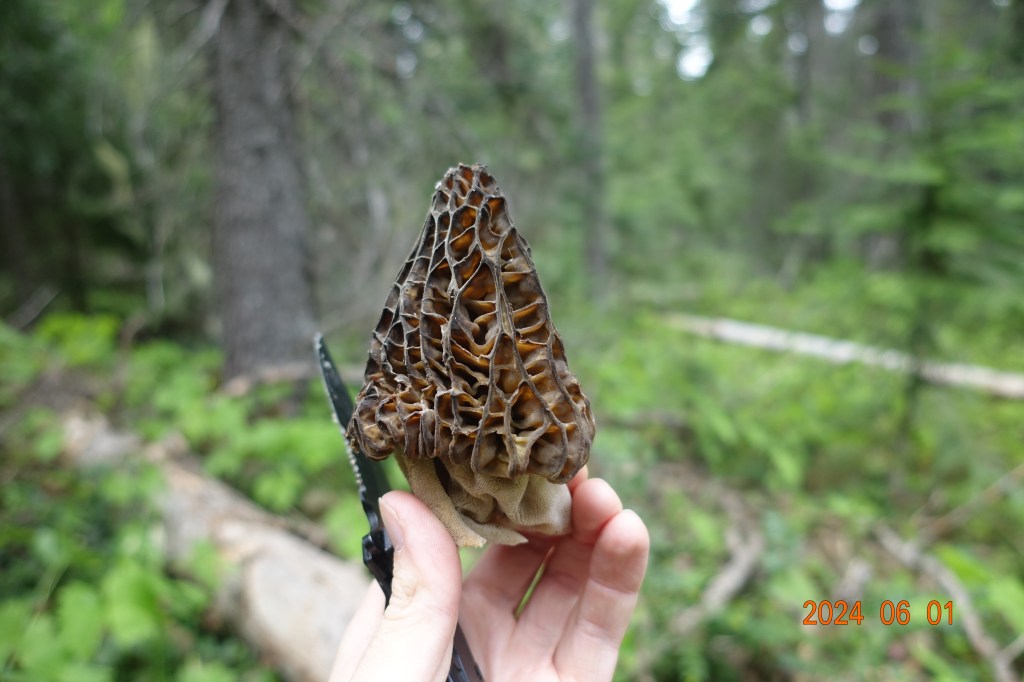
Probably the highlight of my mycological career this far happened earlier this month when I went to the Okanogan-Wenatchee national forest with the Puget Sound Mycological Society on a morel hunting field trip! We got insider tips into the top spots and I was able to come home with about 12 morels.
After the hunt we had a potluck, and it was cool to meet so many other mycophiles. This was their last event of the summer until fall but if I end up moving out here I will definitely be attending more of their trips!
Dad in Town!

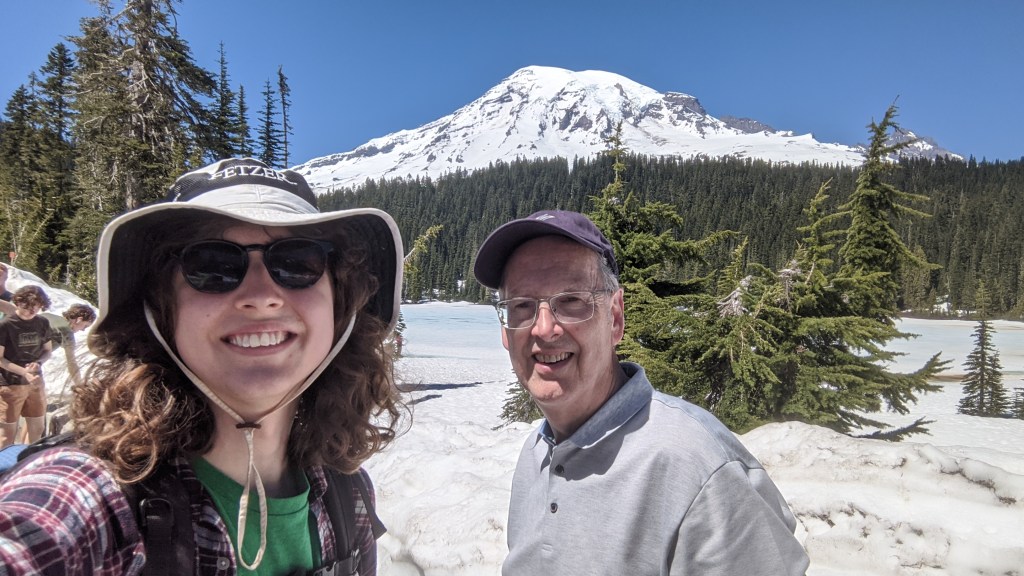
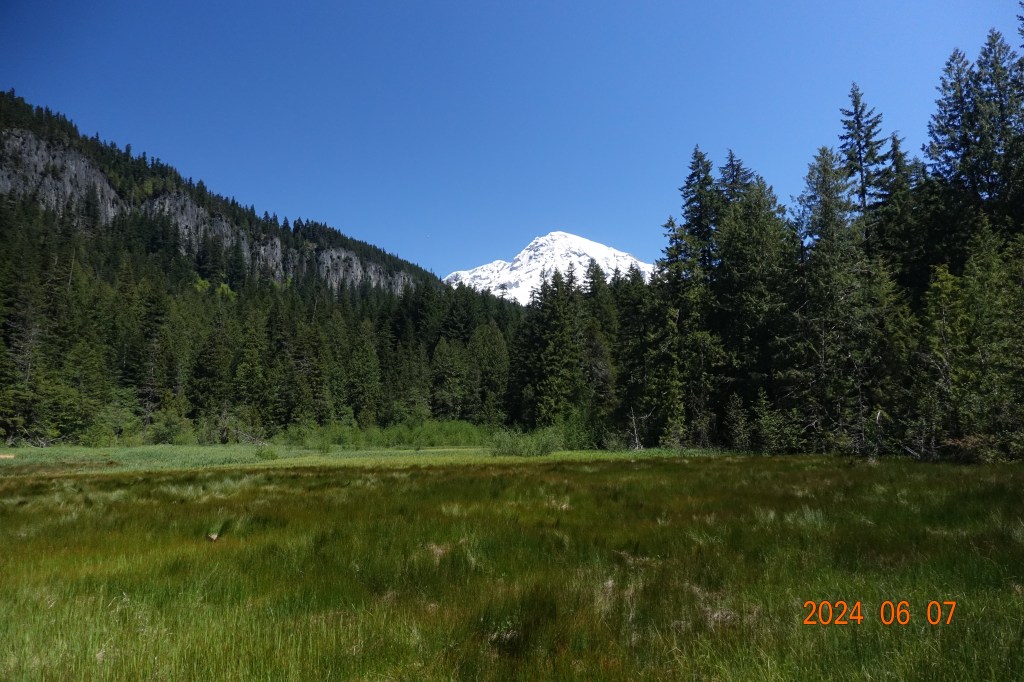
As I alluded to in my last post, my dad came into town last weekend for his birthday! We went to Mt. Rainier and I showed him around Seattle. He thoroughly enjoyed himself and he got to see a totally new part of the country he had never been to before.
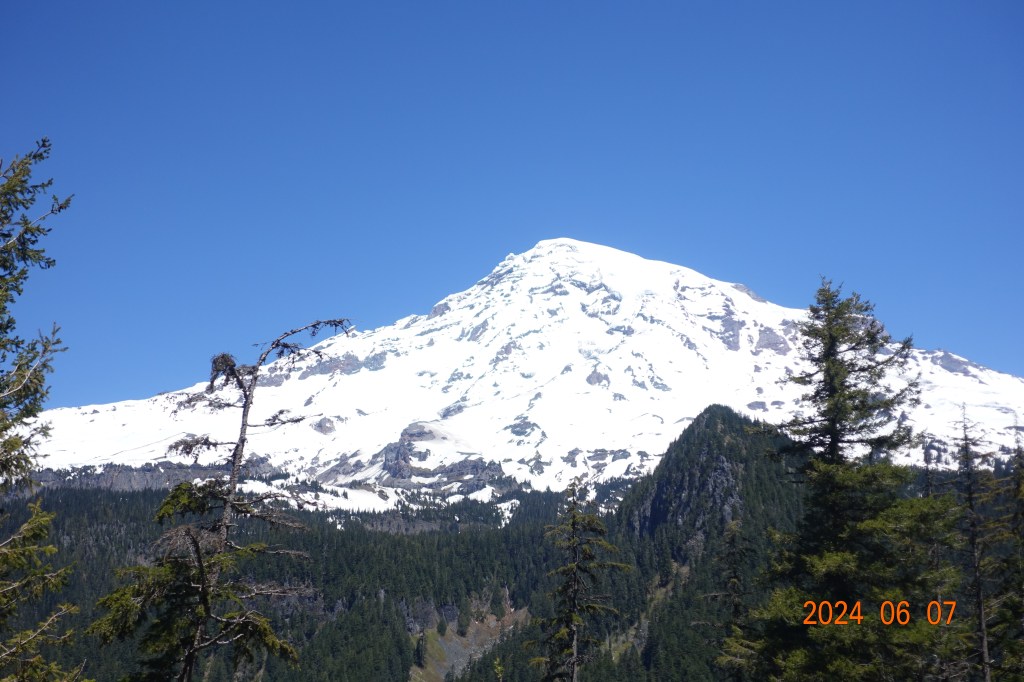
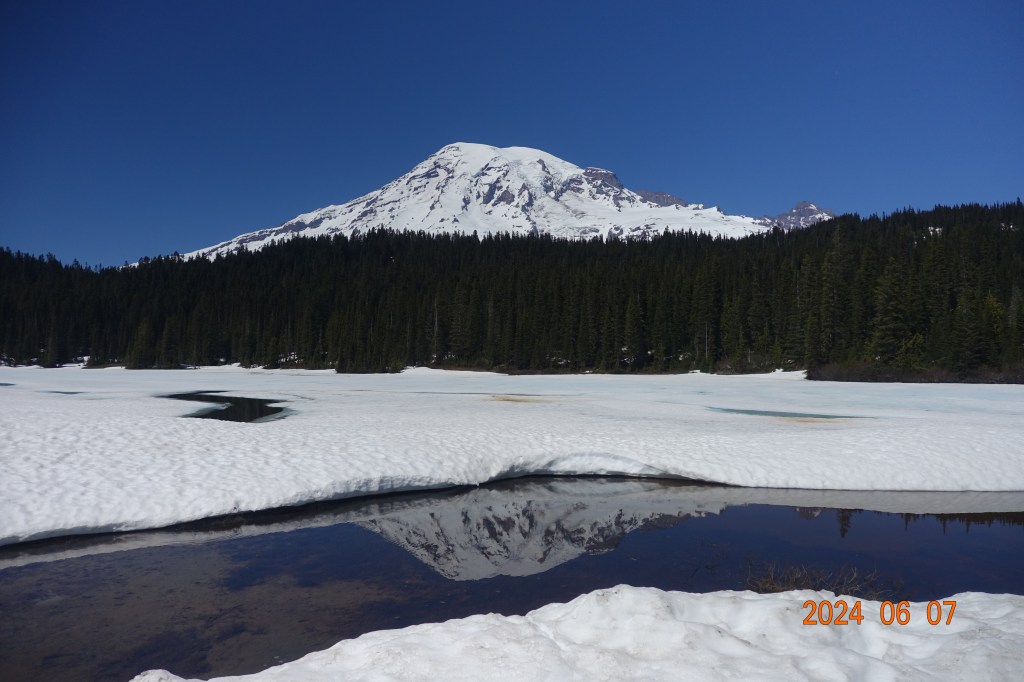
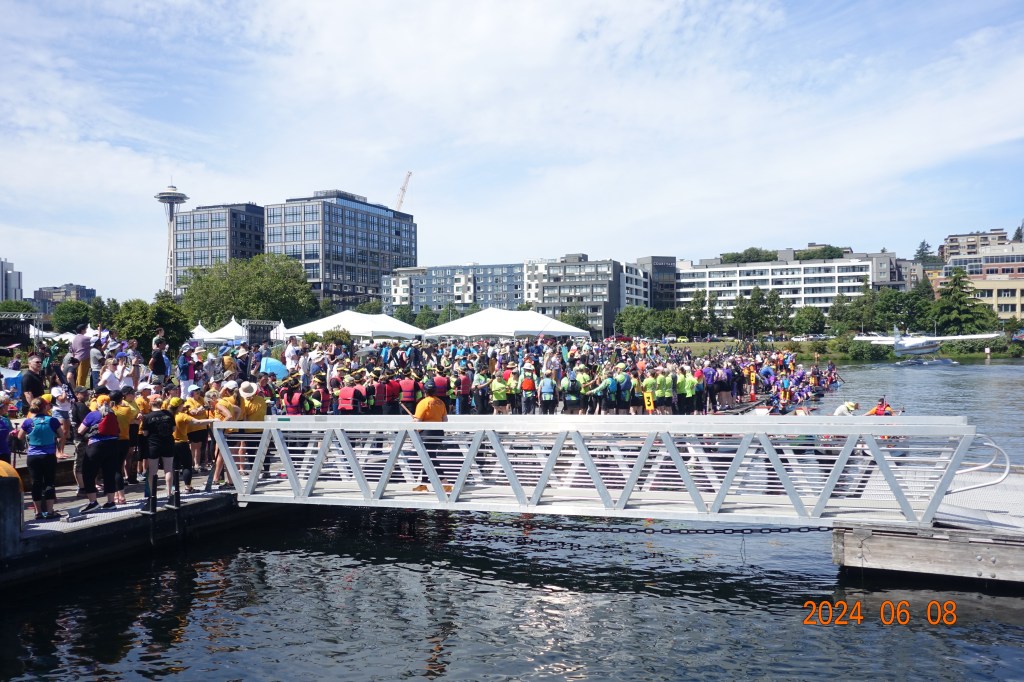
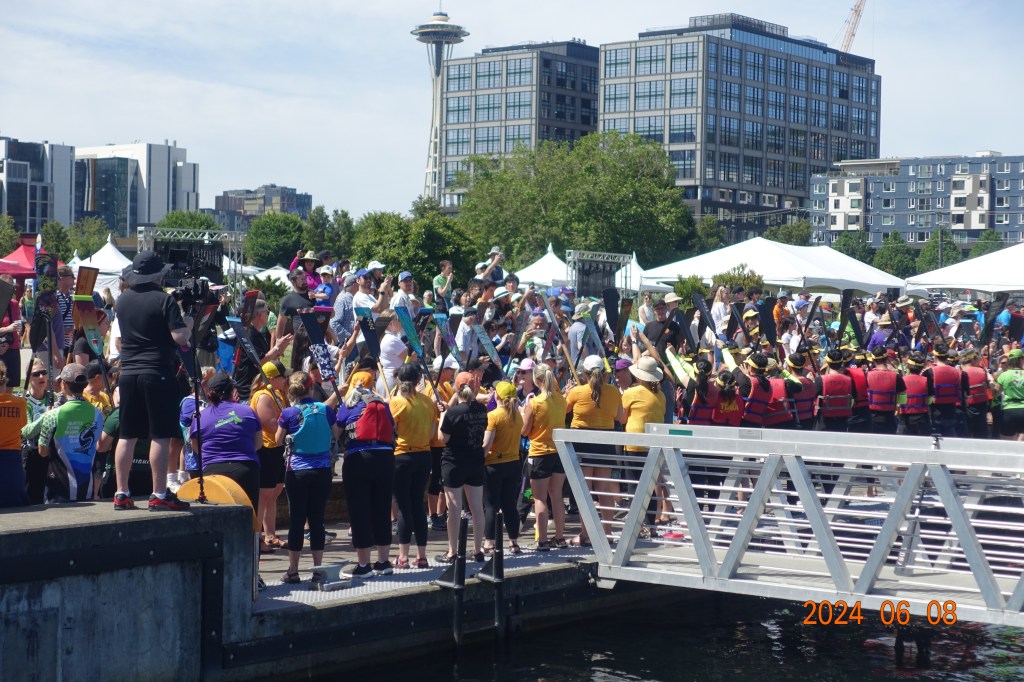
When we were in Seattle we were totally surprised by the Seattle Dragonboat Festival that was taking place next to the Museum of History and Industry!
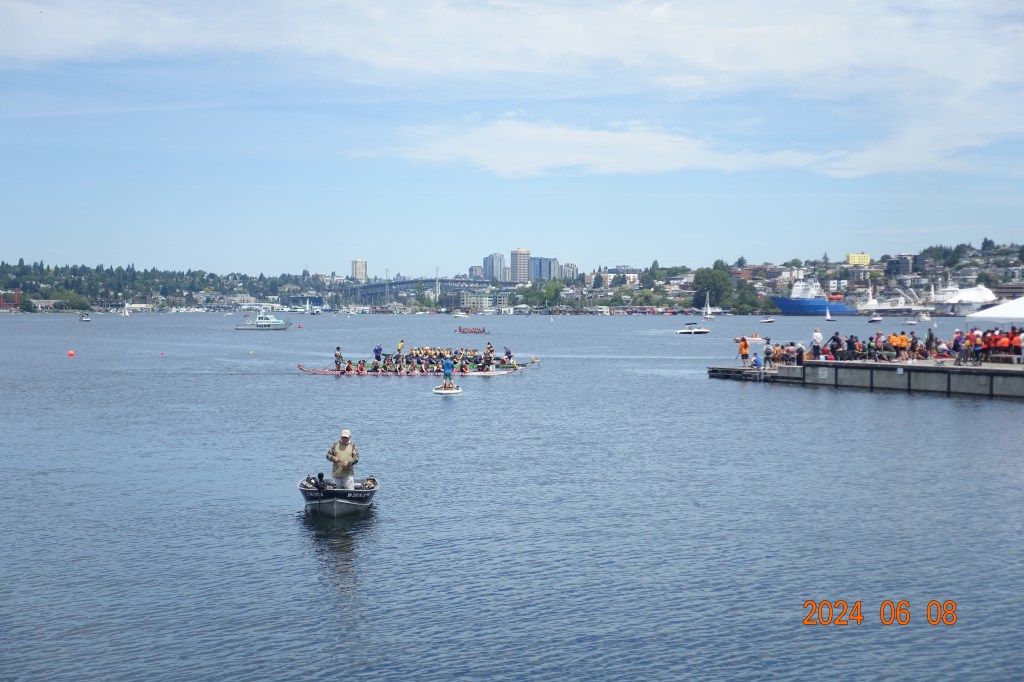
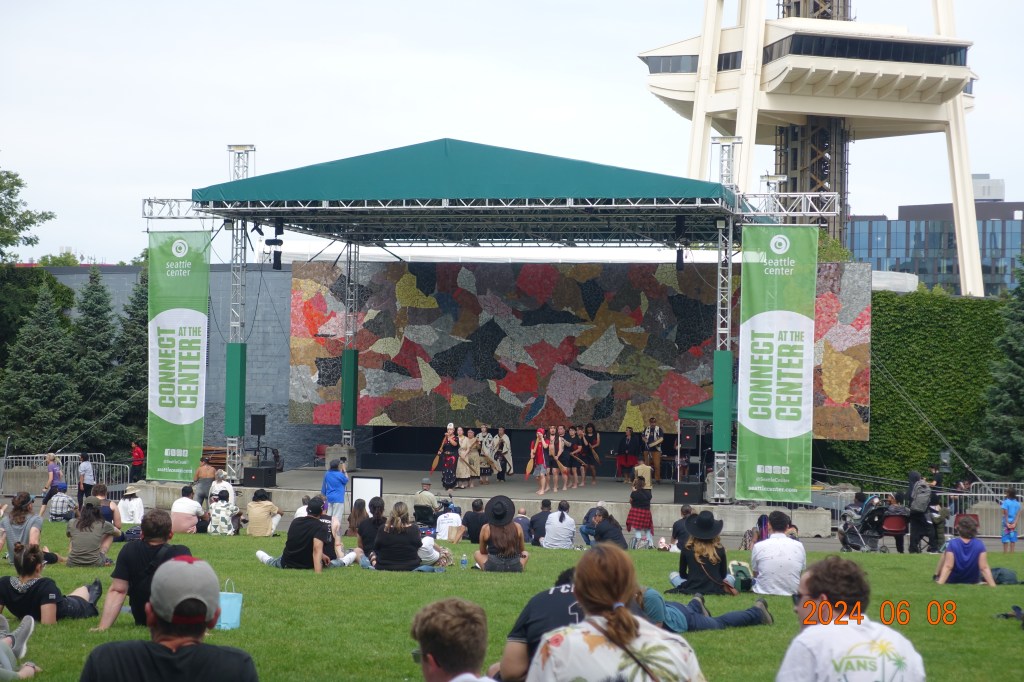
There was also an indigenous peoples festival going on at the Seattle Center, where Folklife happened earlier this year. He really enjoyed seeing some of the dancing going on as well as the space needle.
Baseball
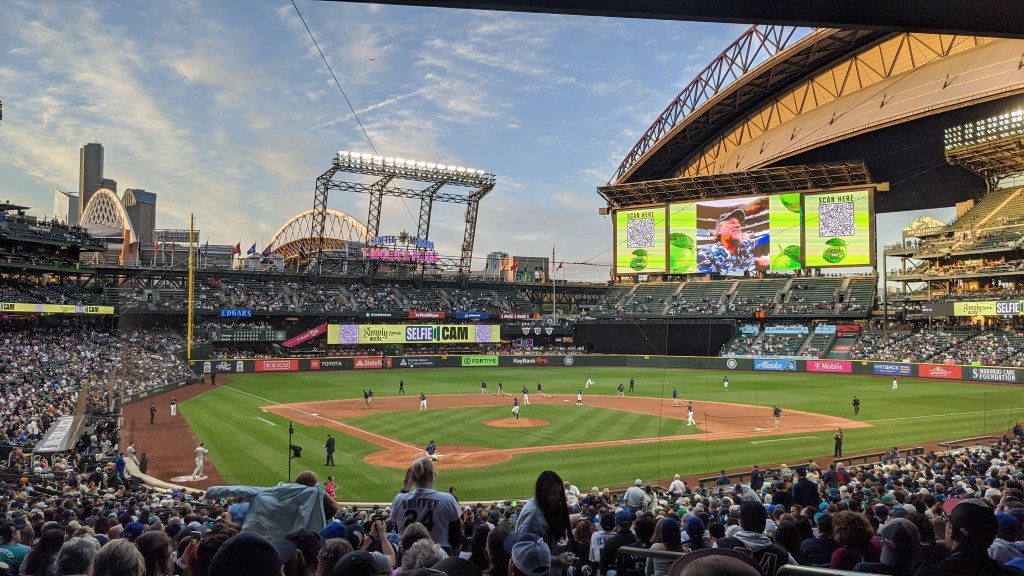
Last night some folks in the forest went to a Seattle Mariners game against the White Sox. It went to 10 innings and unfortunately the Mariners lost, but I didn’t really know who any of the players were. It was fun to just go! George Lopez was also there, and they made a big deal about it on the screen!
That’s all for now! I have a lot more fun stuff coming up in the pipes soon, though. Next week I’ll be doing some hiking and lichen surveys with our botanist, and some timber sale recon in Glacier, WA.
So stay tuned and stay safe out there! ✌️


 Mushrooms and Arches
Leave a comment