It’s been fun settling in to the groove of things in Washington. These past few weeks I’ve been working and doing some fun stuff in the area, getting to meet lost of people in the process!
Fun times in and around Seattle
U-District Street Fair and Mt Si
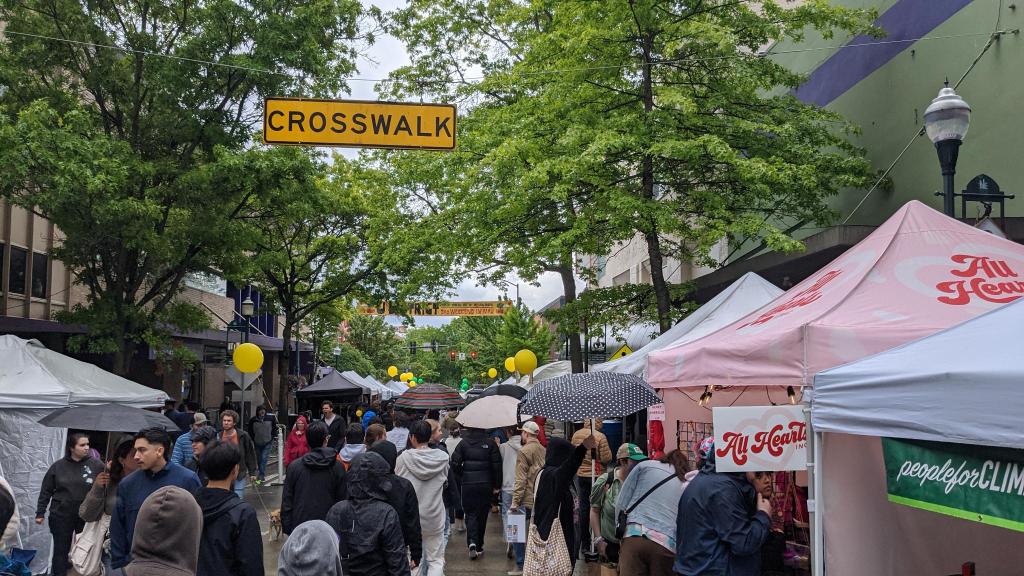
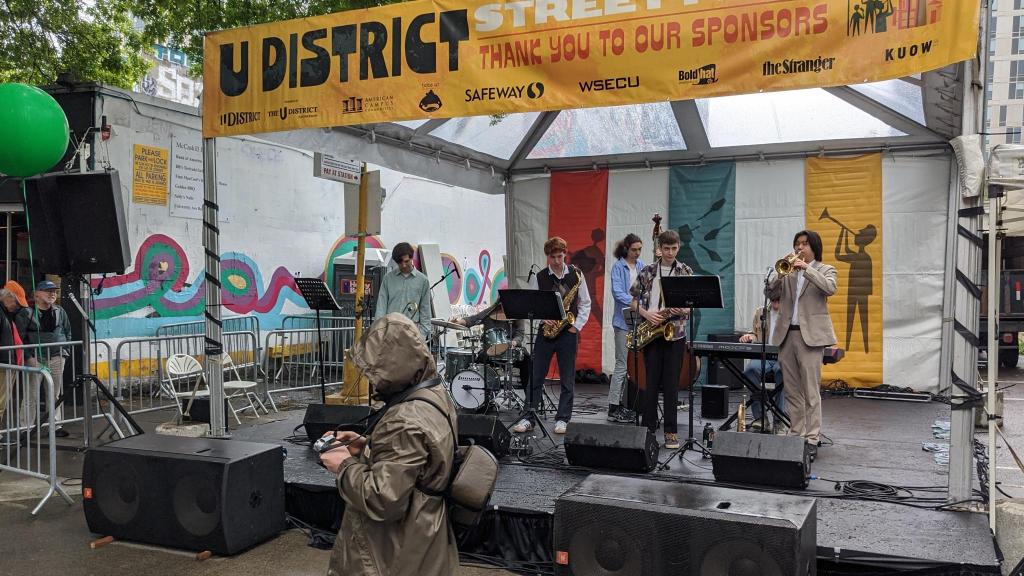
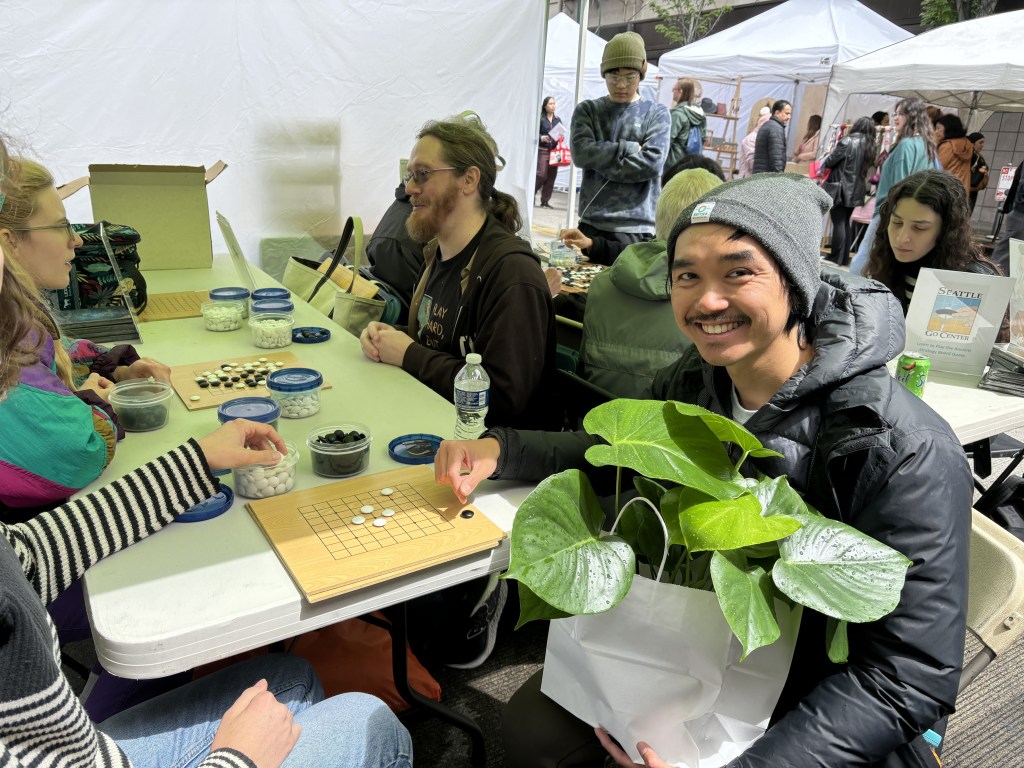
A few weekends ago, I volunteered for the Seattle Go Center at the U-District street fair. I taught the game of Go to about 20 people and some of them even enjoyed playing! You can see me in the last picture at the edge of the frame.
It was a lot of fun teaching people how to play go and it showed me that teaching the game is entirely different than playing the game. I also got to play with some high ranked players and they gave me tips about how to improve my game.
After volunteering, I walked around the festival to see what other vendors there were, and there was a really big variety! I recognized a lot of them from some of the other festivals I’ve been to in Seattle, and there were several that I had never seen before. The one that was most striking was this old school bus that had been converted into a library. Walking past it there were a TON of people inside looking at books it it looked fairly cramped in there.
I also got some stationery and groceries at Uwajimaya, a really cool Asian grocery and book store in downtown Seattle. I’ve gotten postcards and snacks from there in the past, but I’ve never gotten anything substantial from there before.
On Sunday in North Bend, I hiked up to the top of Mt Si, which is the main mountain I post a lot that can be visible from the ranger station.
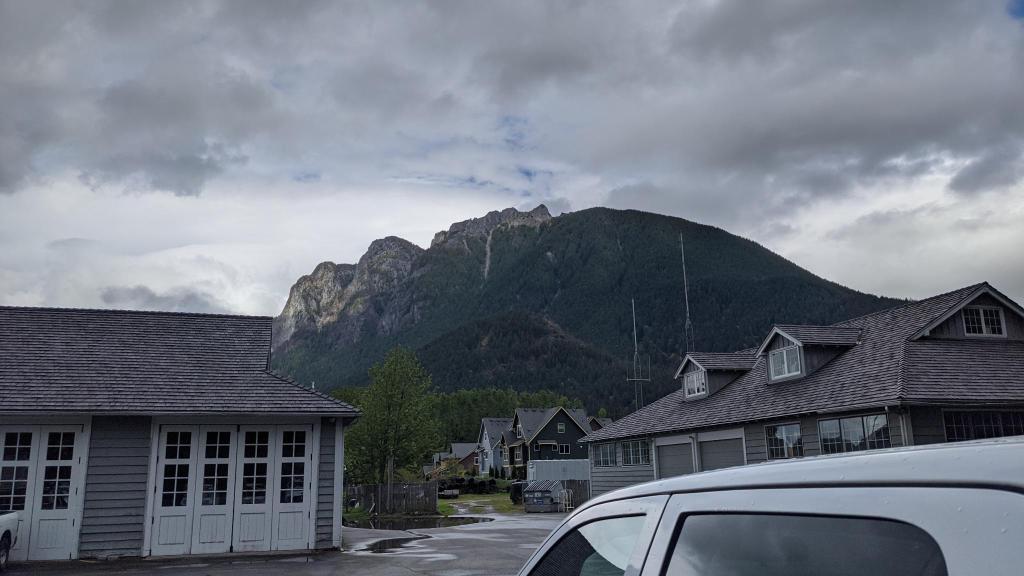
I ended up taking one of the new interns with me and it was her first time hiking ever! She went up it like a champ. It took us about 5 hours round trip to get done. There was even snow at the top!
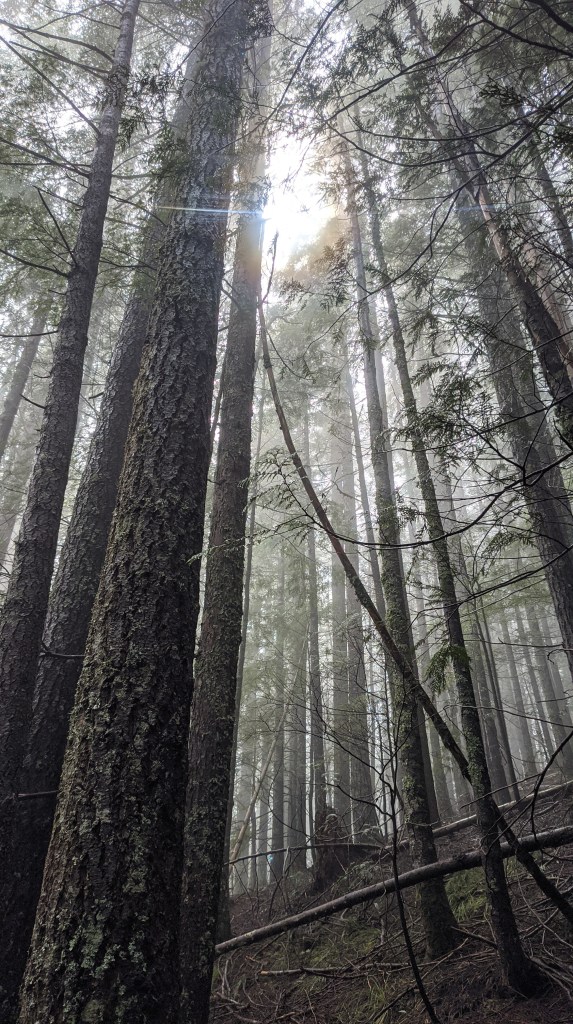
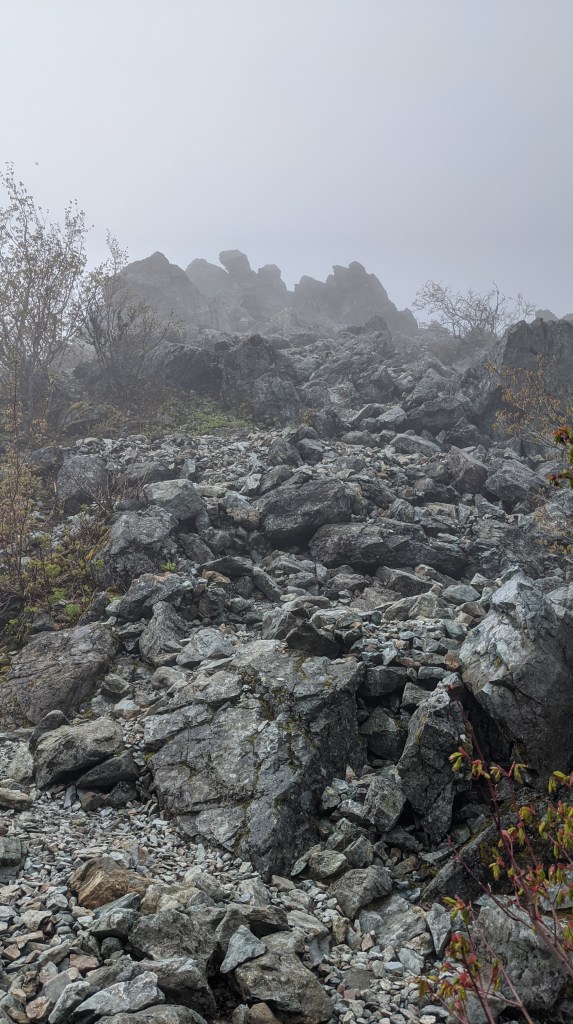
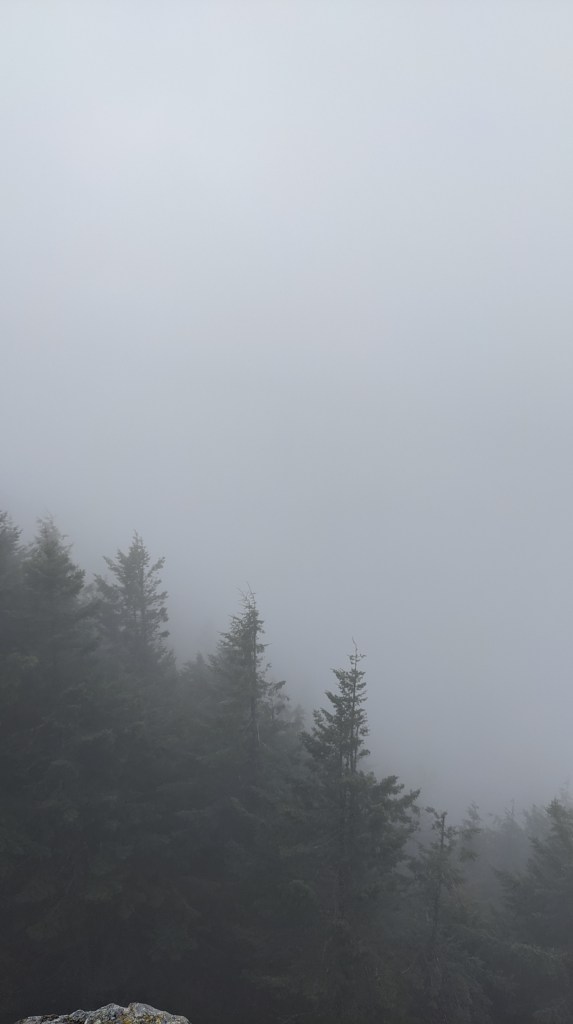
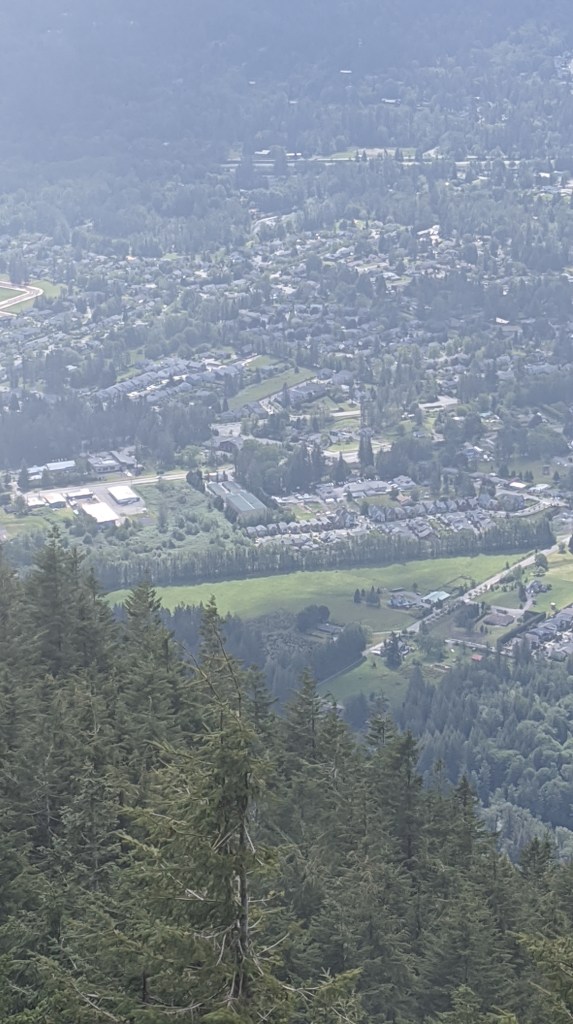
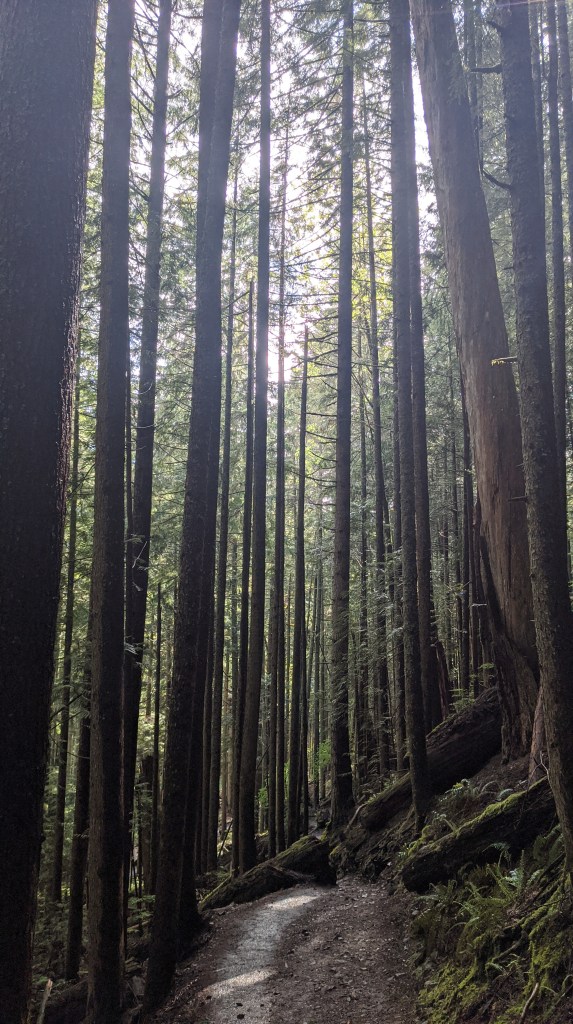
If you’d like to know what it looks like at the top of Mt. Si you can check out this post I made from last year! When I got to the top this year it was pretty cloudy, so I didn’t get to see much. The part about Mt Si is near the end of that post!
Folklife Festival
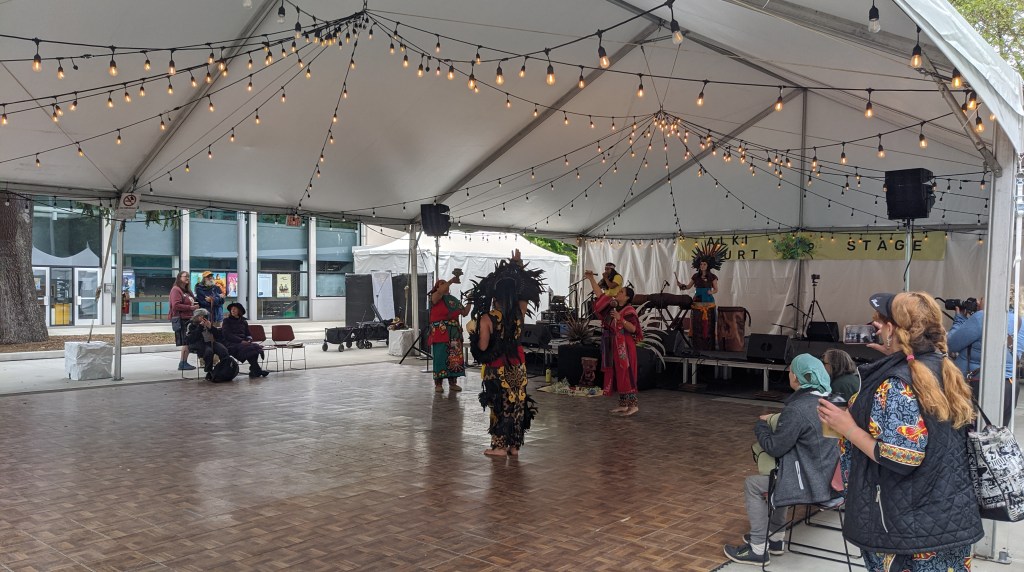
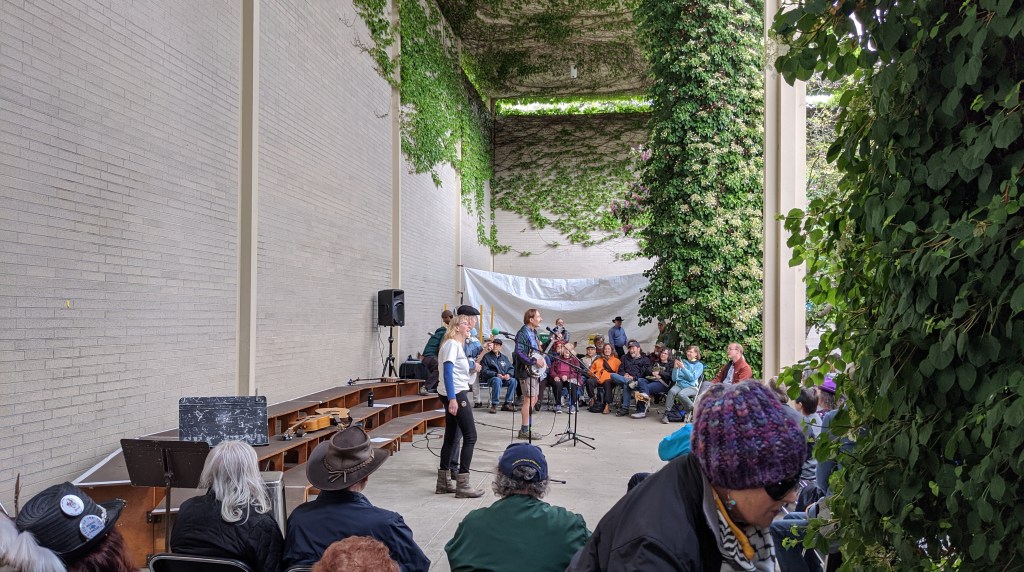
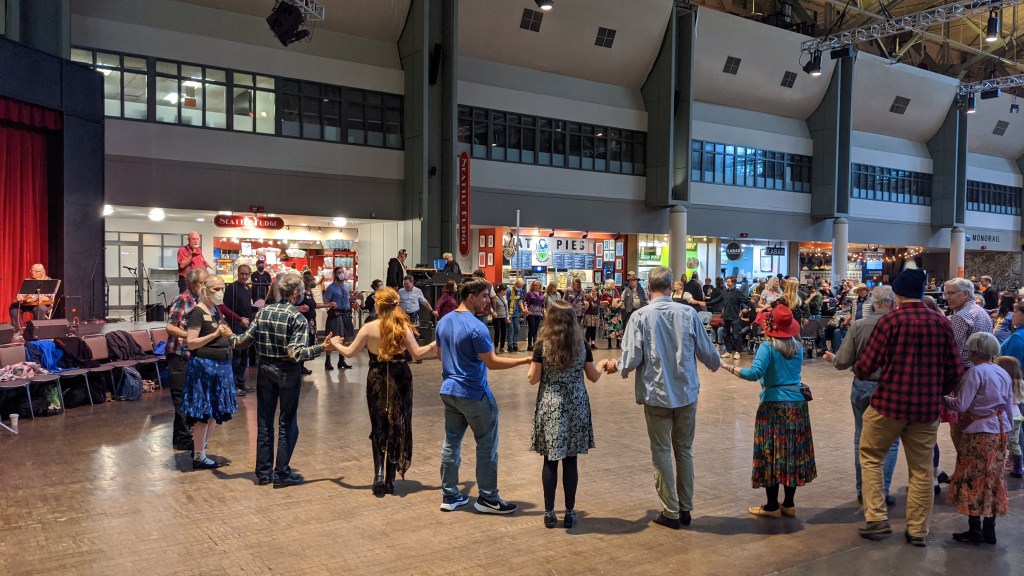
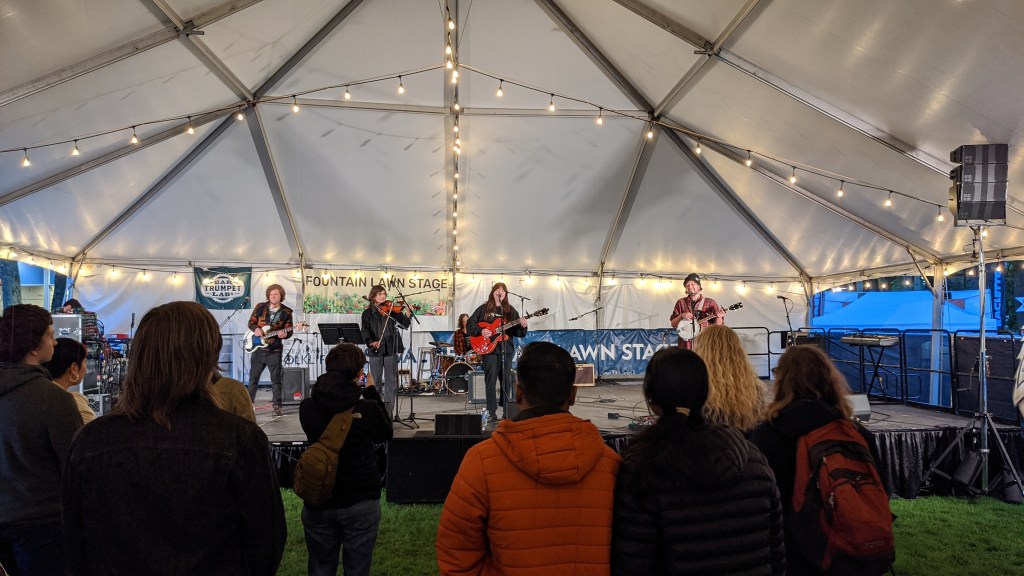
Also like last year, I went to the annual Folklife festival put on by the Seattle folklore society!
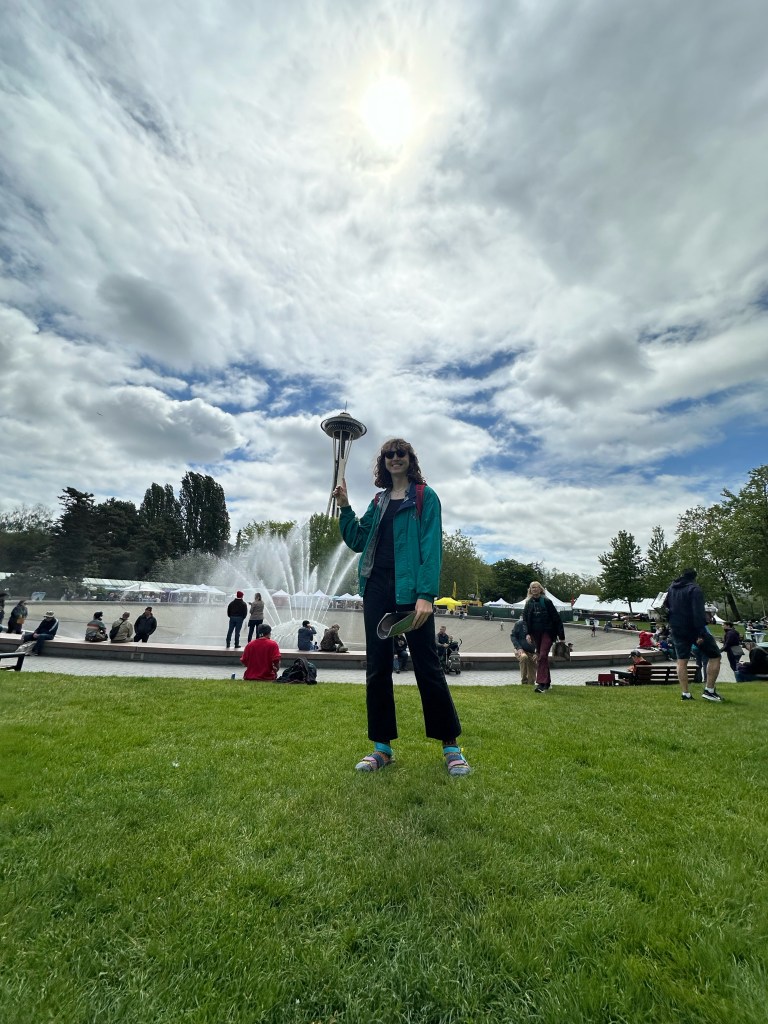
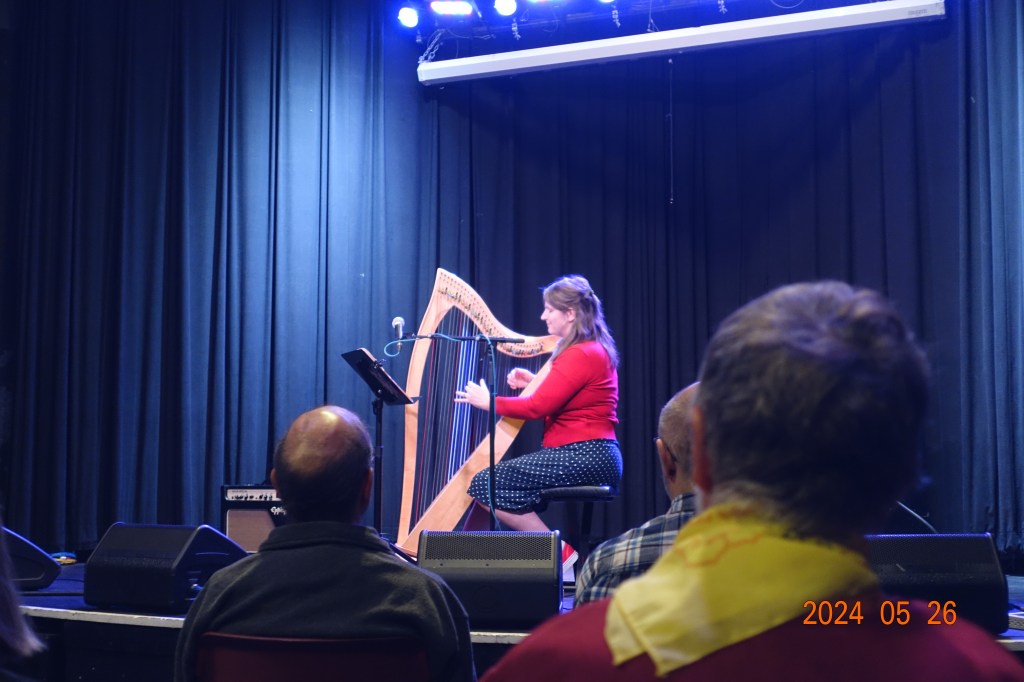
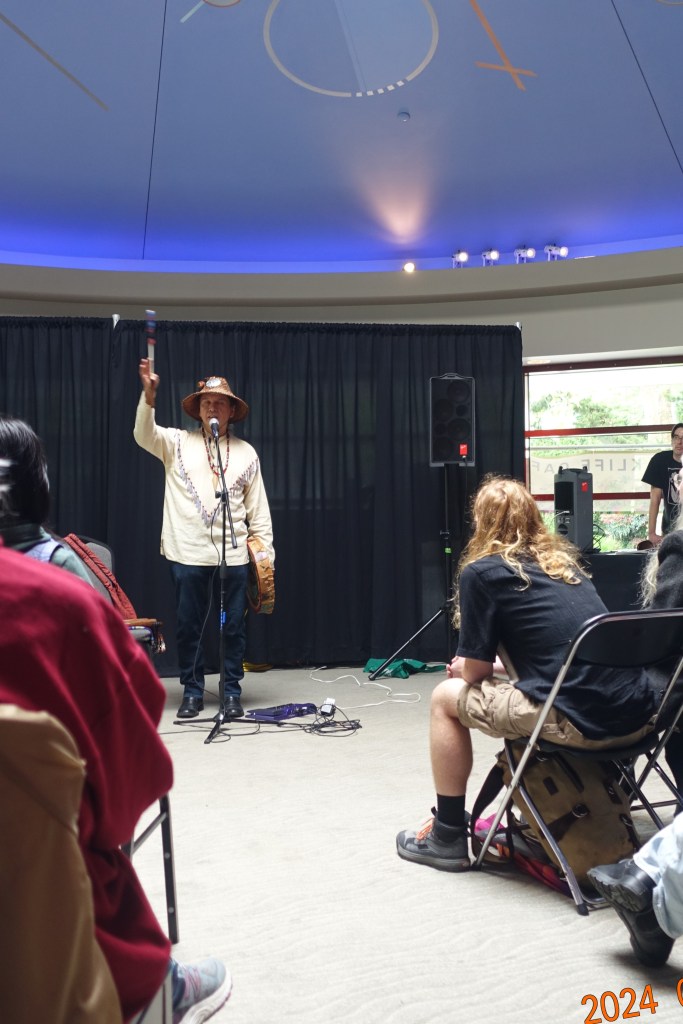
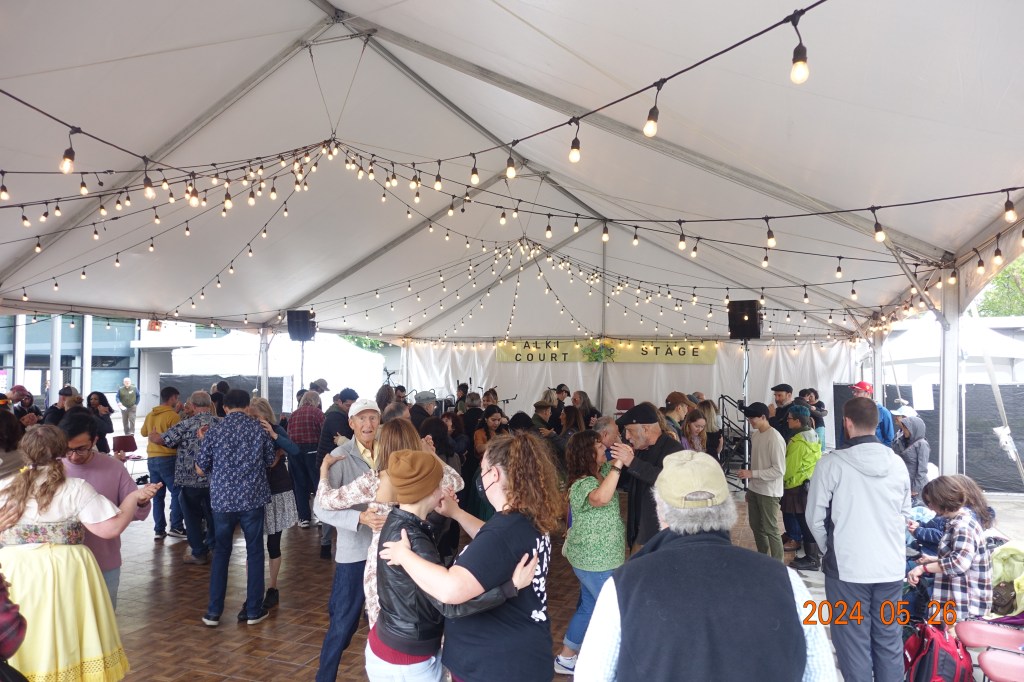
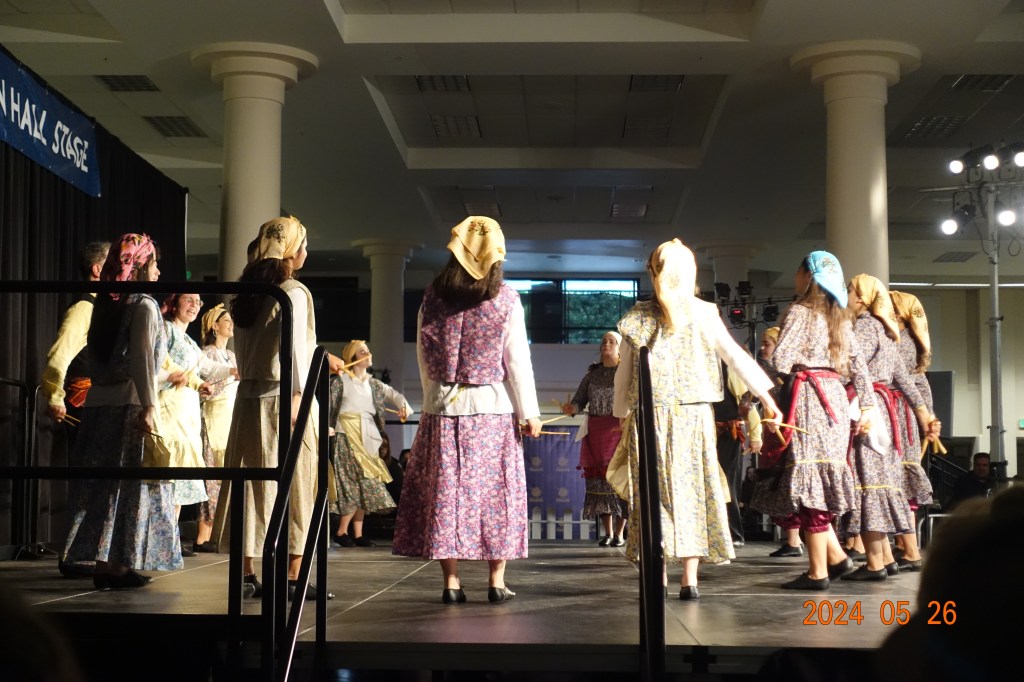
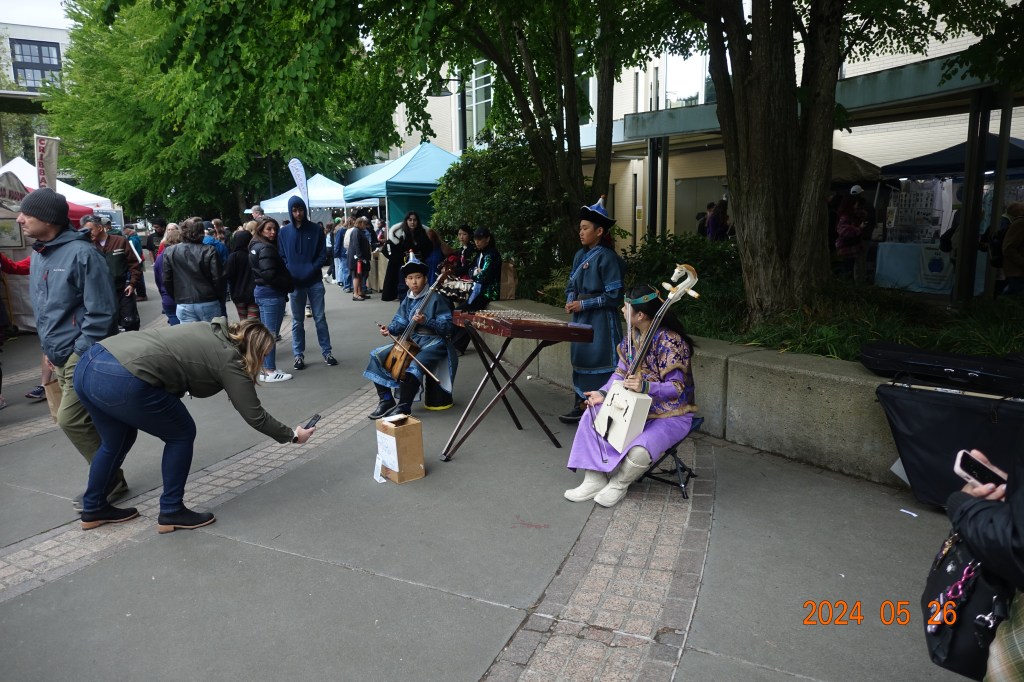
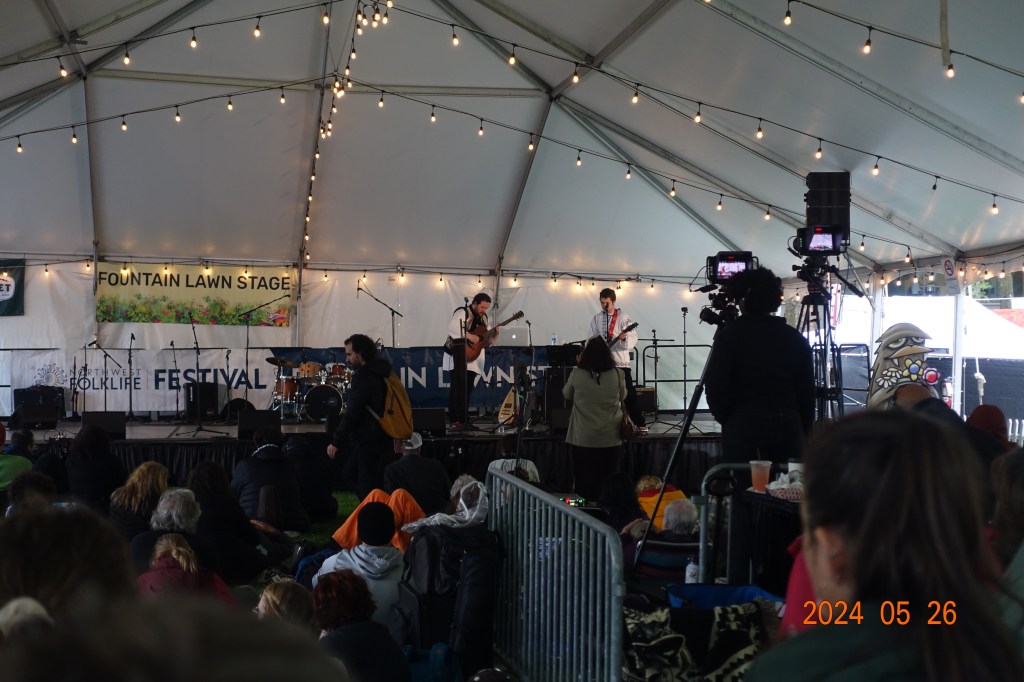
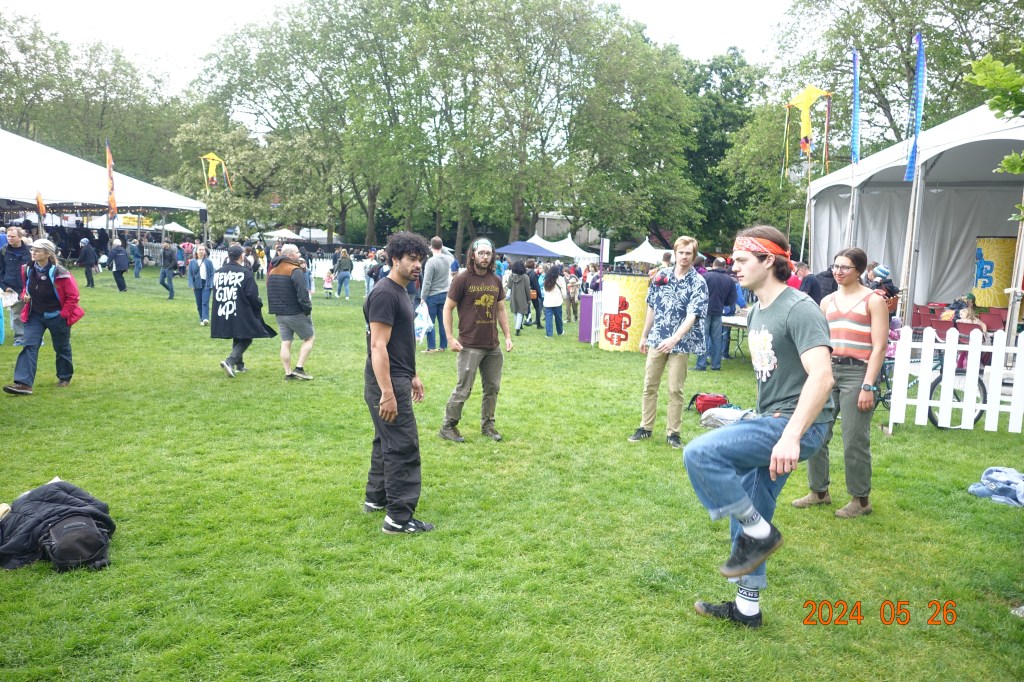
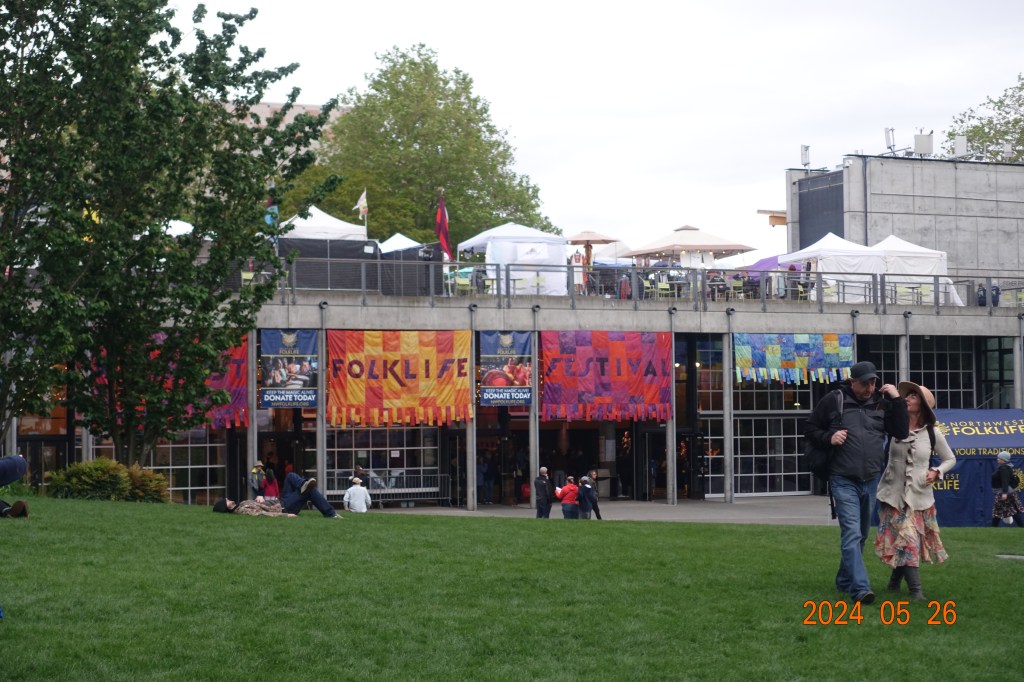
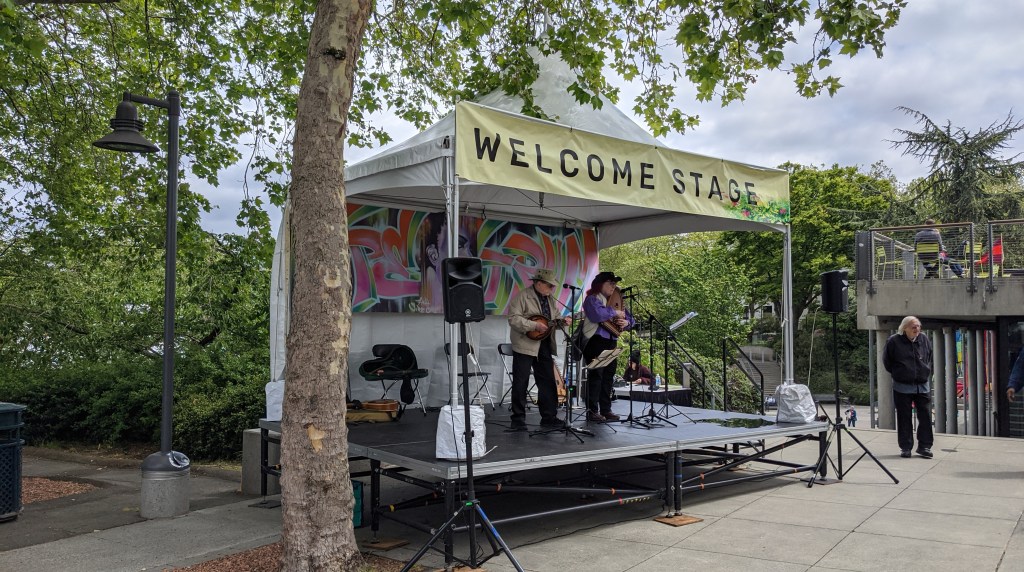
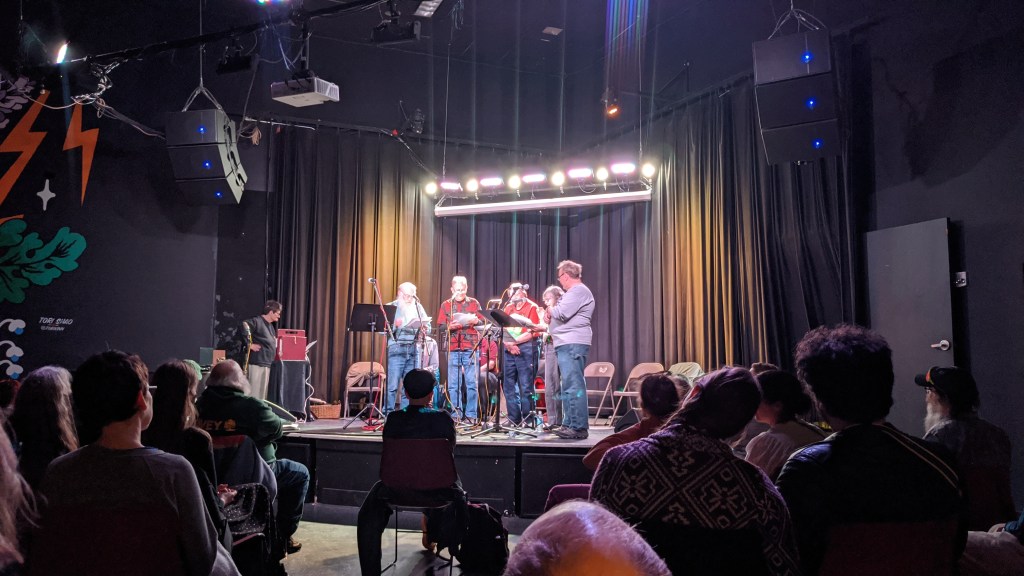
There were so many cool events and I only went for 2 out of the 4 days the festival was going on. I wish I could have gone to more but I was so tired by the end.
I think the highlight of the festival for me was the Pete Seeger singalong hour where over 100 people got together to sing some famous Seeger (and other folk) songs. The two that stood out to me the most were Banks of Marble and This Land is Your Land
There were also several dancing performances and workshops that were super cool. Notably the Seattle Eclectic Cloggers and a Brazilian dance group that I didn’t get the name of.
One of the other highlights was doing Contra Dance! I’ve done square dancing before, but never Contra, and it was good to know that the Seattle Contra Dance society meets in the same place that Go club happens every week.
In addition to dancing and singing along, there were dozens and dozens of folk artist performances. I saw several, including a harp performance of Hildegard von Bingen by Monica Schley, one of the first female composers in western music, and a very influential woman of her time!
I also saw some live radio theater from American Radio Theater and some stories being told by the Seattle Storytellers Guild.
Needless to say it was a fantastic weekend, and the best part about folklife is that it’s completely free! They have a suggested donation at the entrance, but if you aren’t able to pay it isn’t required.
Boxes and boxes of tree paint!
Work the past few weeks has involved even more painting of trees, although there has been some measuring involved. It was pretty fun, and I even got to do some much needed office work after memorial day.
Gap Trees and (More) Boundaries
I was back in Verlot last week, painting gap trees with pink paint (a new color I haven’t used before!). Pink can mean a lot of different things, but for this sale it’s referring to gap trees, which are a special type of tree that cuts every tree it’s able to within a 52 foot radius. What does that mean? Take a look at the diagram below:
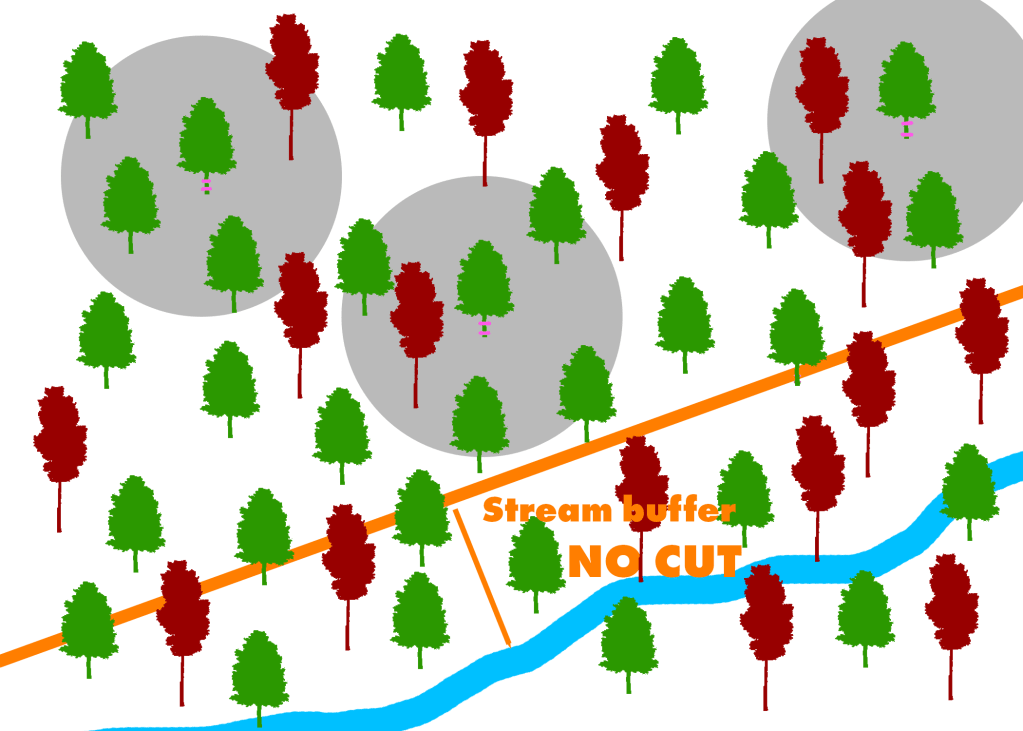
This is a simplistic diagram of what goes on in an actual forest, but it should help convey what I was doing.
For those who don’t know, a group of trees is called a stand. Our goal in this sale is to create stand diversity, and the way we’re planning to do that is to designate special trees that create gaps in the canopy and thus a diversity of light levels which are hitting the forest floor throughout the stand.
The gray circles represent the 52 feet that each tree cuts around it. Green trees are desired species to be cut and red are undesired. Undesired trees that are in the cutting radius of a gap tree do not get cut. Gap trees cannot be placed within 150 feet of a stream, and they can’t be placed within 252 feet of each other (not to scale on this diagram). This is to prevent gaps from being placed next to each other to create one giant gap (basically a clearcut). Gap trees must also be painted with two pink stripes, which if you squint your eyes you can see on the diagram.
The requirements leave a lot of room for variability and if two foresters got assigned to spray gap trees in the same stand they may come up with similar results but won’t come up with the same gap trees. This is definitely a time where forestry is more of an art than a science.
When selecting areas for gap trees I was focused on parts of the stand that were incredibly dense and that needed thinning badly. I also focused on leaving healthy trees and trees that can be used by wildlife for nesting and perching.
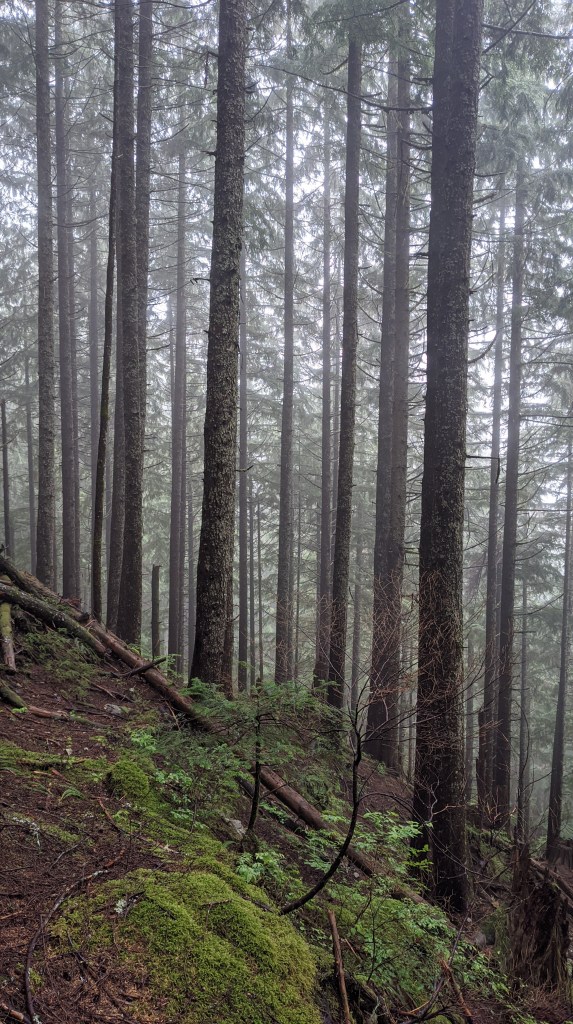
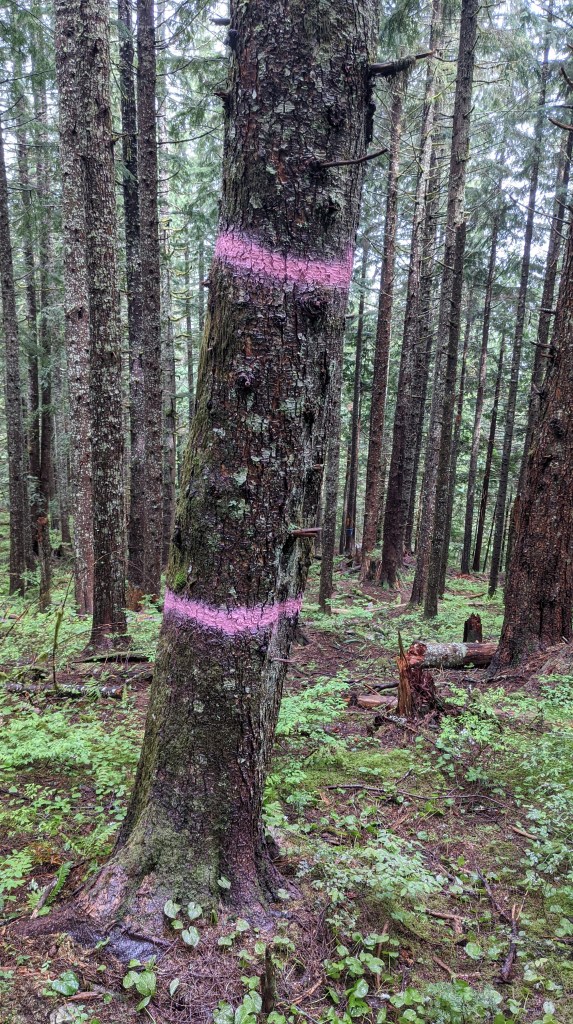
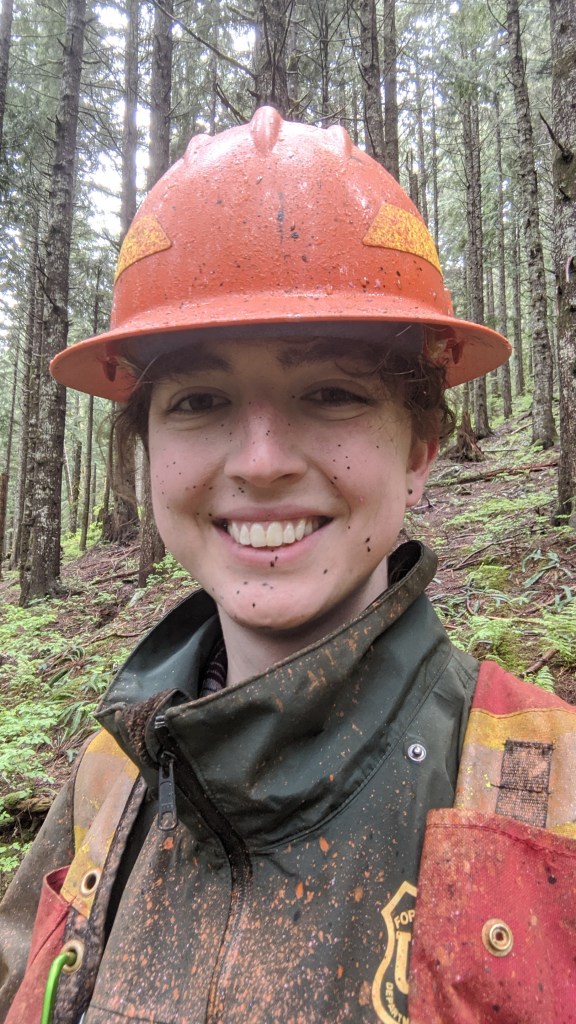
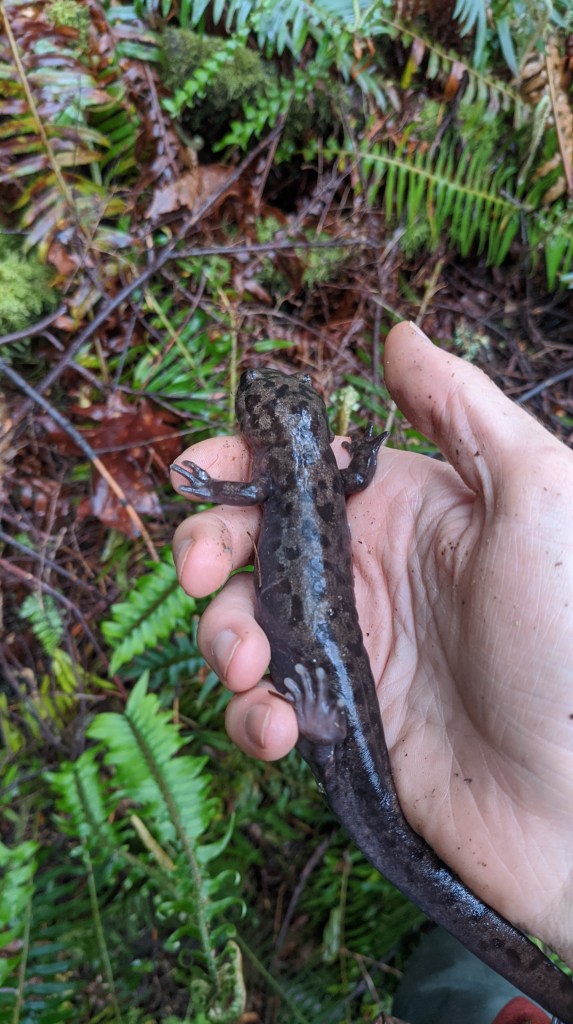
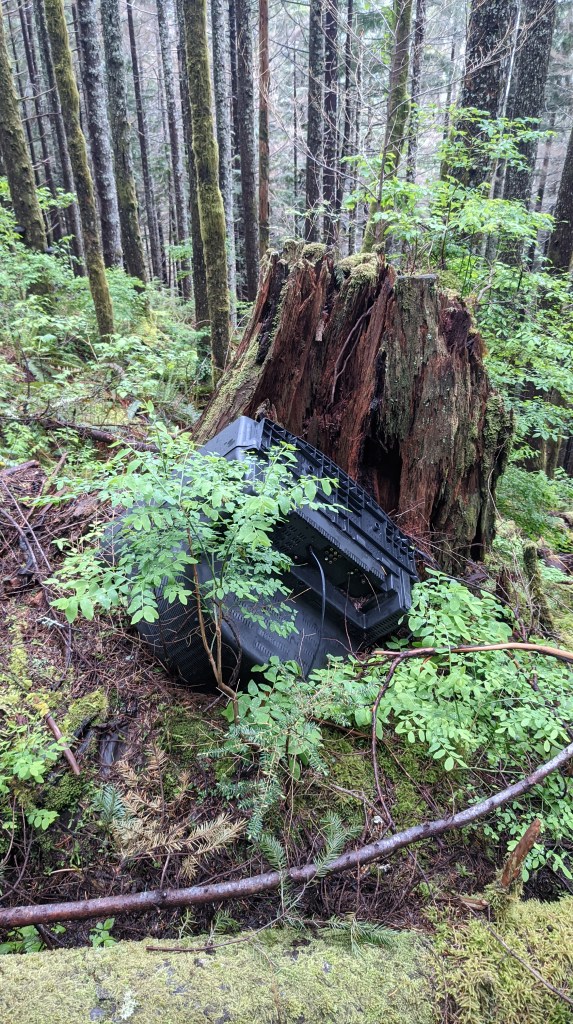
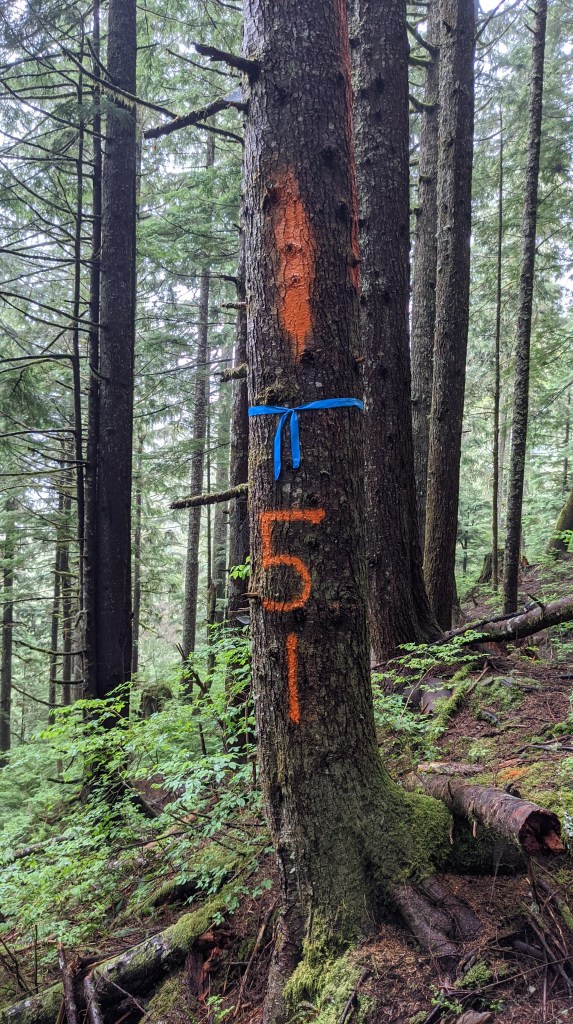
While painting I also found some interesting things! Notably an old TV and a Pacific giant salamander (Dicamptodon tenebrosus). The salamander was HUGE and I was apparently holding a small one. They can grow up to 13 inches long, making it the largest salamander in North America. They’re strong, too! I was genuinely worried it was going to bite me when I picked it up and it was thrashing around with a lot of force.
The final thing I was doing last week was going back over the boundary I sprayed at when I first got back to Washington because one of the other foresters realized that he forgot to tell me an important step: boundary trees that aren’t the corner trees need to be painted with the unit number facing into the unit.
What that meant for me is that I had to go back along all of the boundaries I painted and repaint the non-corner trees to fit the criteria. It wasn’t a total loss though because I was able to fix some of the mistakes I had made when I was first learning to paint boundaries and make them more apparent.
I also got to hang out with the glacier guys again on their last 8-day roll fixing the big four trail! We watched kung-fu movies at the bunkhouse and I made pizza. It was pretty nice!
Quick Stand Exams
This week I got to work with the forest silviculturist collecting data from the Tupso timber sale in Verlot to reaffirm what types of trees we thought are present and what types of treatments are needed to achieve the goals of the sale.
What is a silviculturist? It comes from silva– meaning forest and -culture meaning to cultivate. Someone who practices silviculture is a silviculturist.
Without getting too into the weeds (or the trees in this case), a silviculturist is someone who collects data about a forest (species, sizes of the trees, etc.) and writes a prescription for how the forest could be changed in order to meet the objectives of whoever they’re working with. In many cases this is a landowner, but in the case of the forest service, it’s the NEPA document (which we can’t get into today, but I promise I will do a whole writeup about NEPA at some point in the future). For those curious, though, you can watch this video for a brief explainer!
Getting to the point, we were sampling plots of 7-10 trees to assess their size and species makeup to make sure that the prescription that was written will be the right fit for this project. So far the data is still being processed, but it’s looking like what we collected this week may change a few things slightly about the prescription.
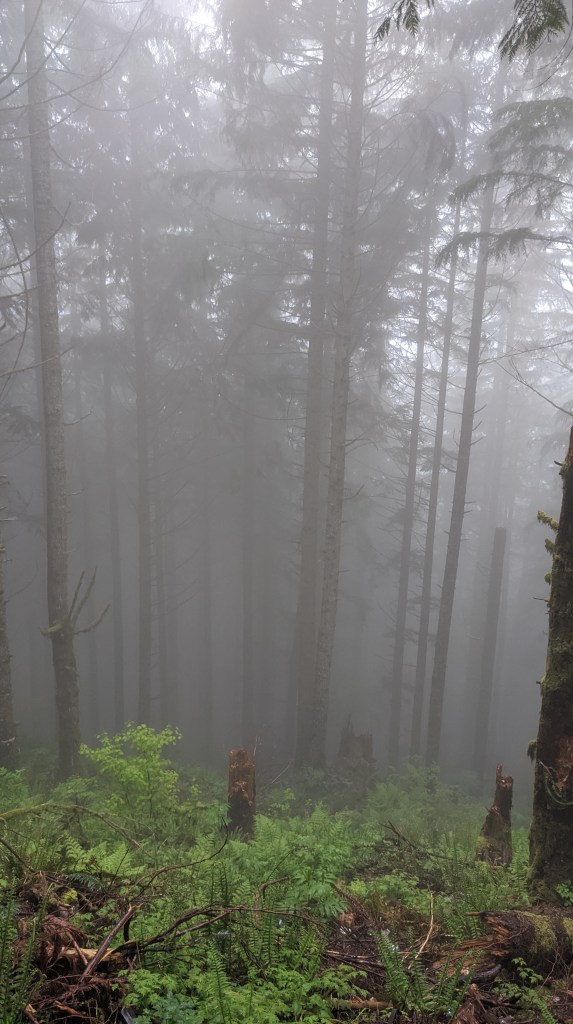
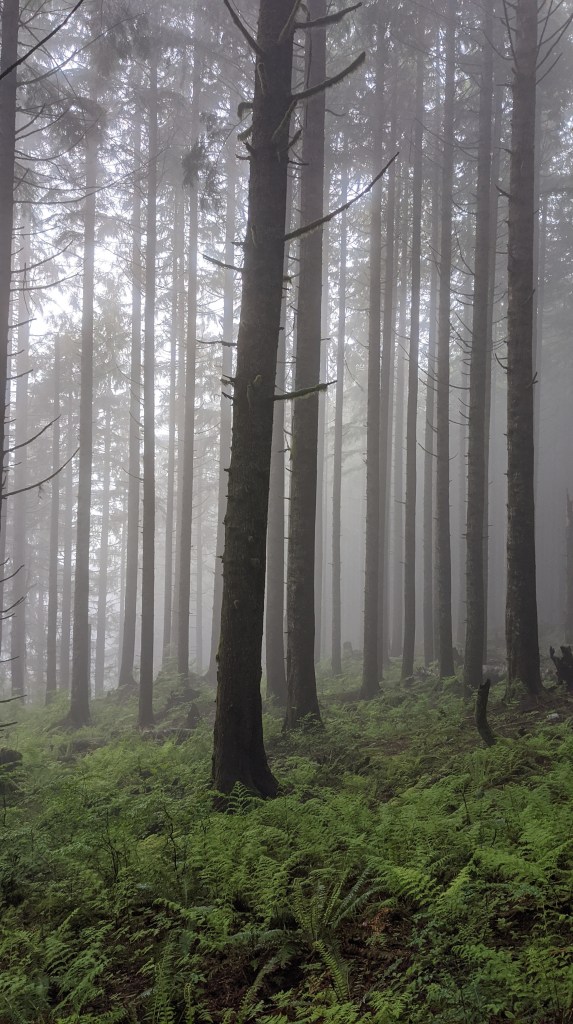
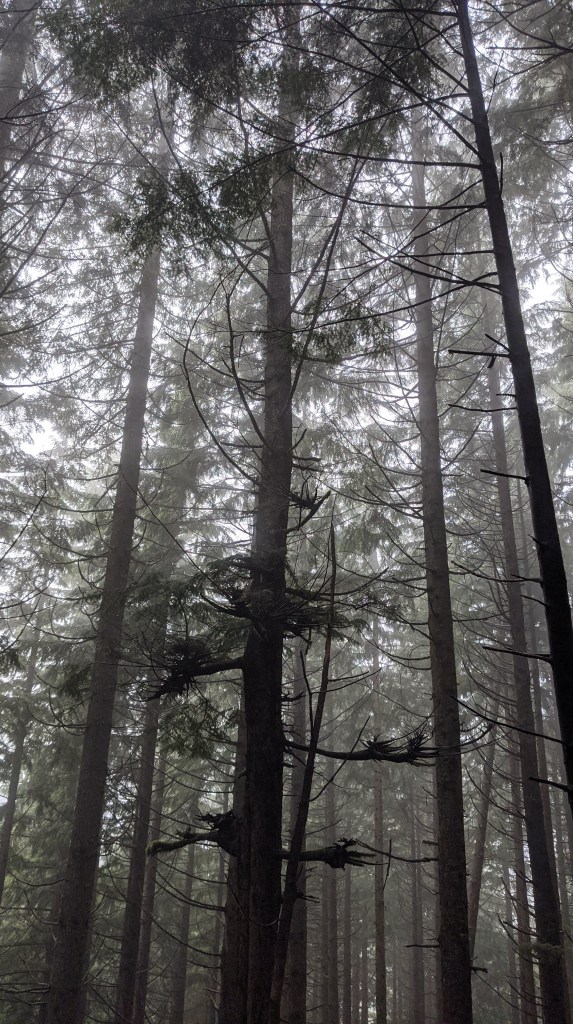
It also happened to be super foggy when we were measuring the plots!
Wednesday and Thursday were office days for me. That was super helpful in getting me caught up with emails and administrative things that I’ve needed to do for a while but haven’t had time because I’ve been painting.
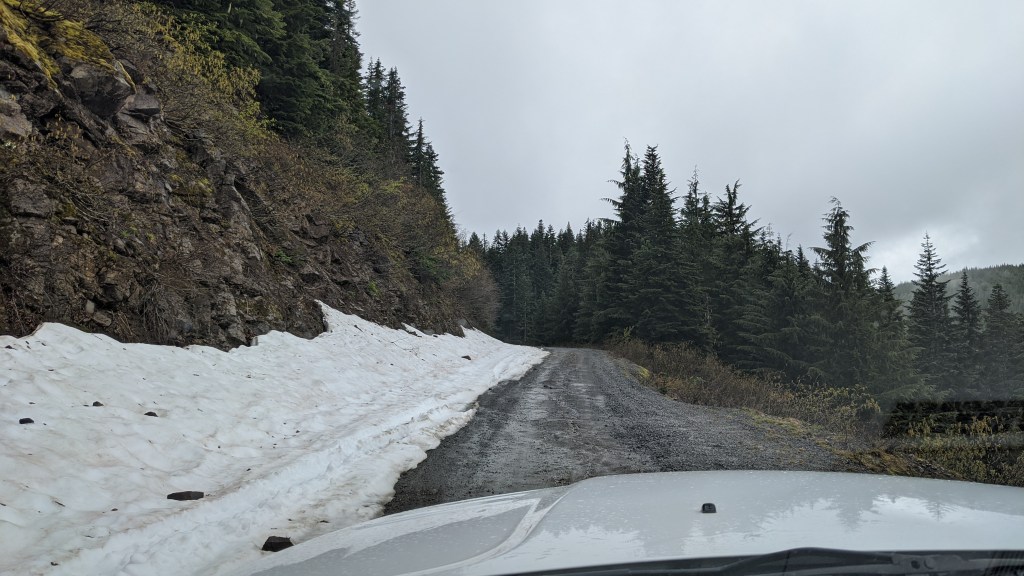
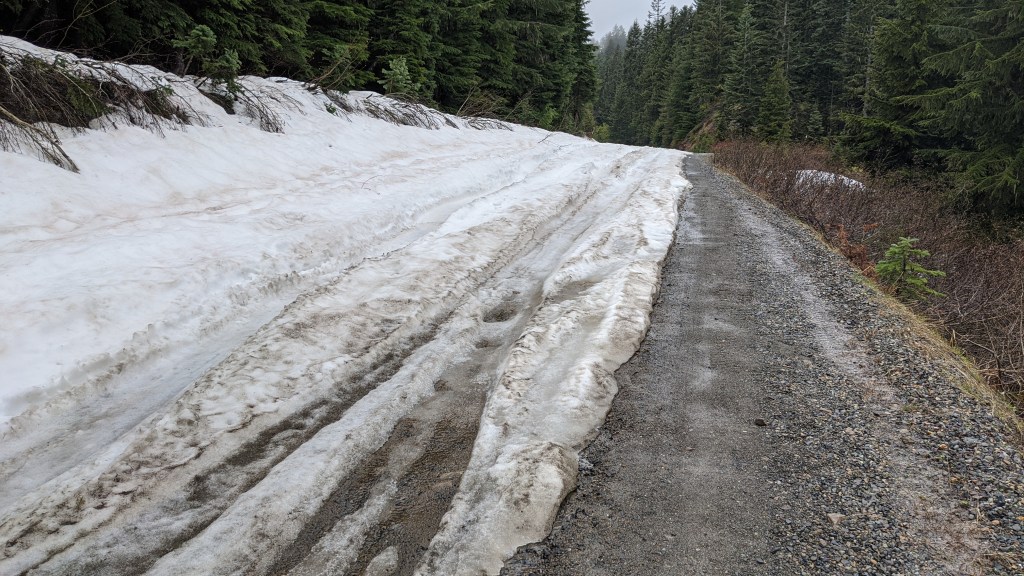
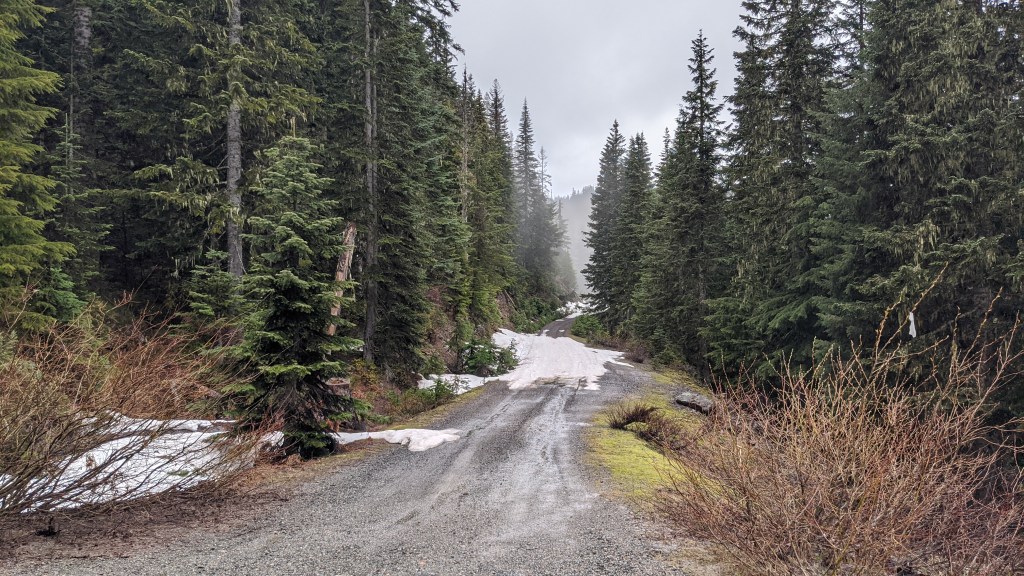
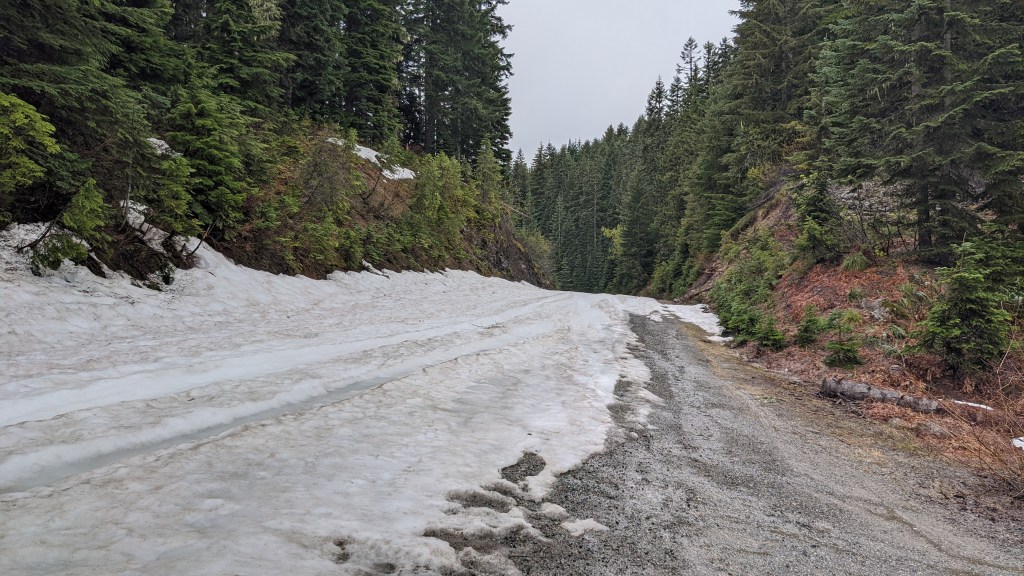
On Wednesday I also checked the snow levels at one of the mountain passes nearby to see if researchers can access it yet for summer projects. When I got there, there was still snow on the road so we’re going to have to wait a bit longer until we can get through!
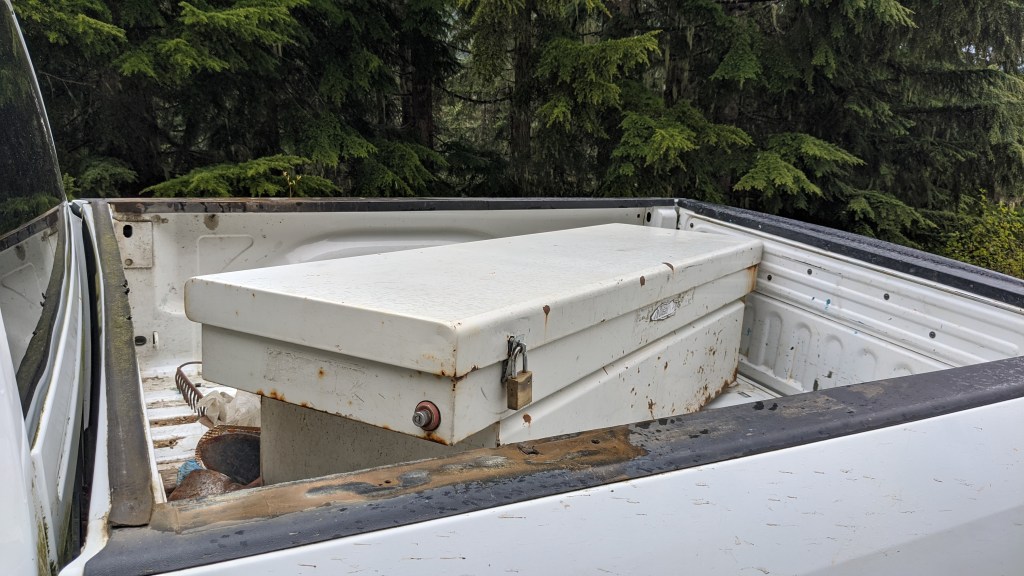
The road was so rough, too, that my toolbox came off my truck…
Next week I will be working with some contractors near Mt. Rainier to do more stand exams, although they will be more in-depth than the ones we did this week in Verlot. Full stand exams involve assessing the vegetation nearby, tree ages, and a myriad of other factors.
My dad will also be coming to town to visit for his birthday!
So stay tuned and stay safe out there! ✌️


 Mushrooms and Arches
Leave a comment